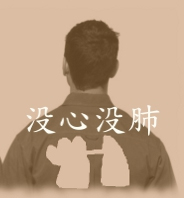
No heart and no lungs, the literal meaning of 没心没肺 (méi xīn méi fèi) is nothing like what it describes.
汉典 defines 没心没肺 as:
(1) [inattentive]∶没心眼儿;不用心
(2) [ungrateful;heartless]∶没心肝;没良心
The first has a multitude of extended meanings. If one was called 没心没肺, the person could be “没心眼儿”, not scheming, not calculative, and unaware of others cunning. Thus, the phrase could also mean that he is carefree, or careless. The idiom 没心没肺,活着不累 (méi xīn méi fèi, huózhe bù lèi) encourages people to live more carefree, worry less, and have a big heart. Life will be much easier and enjoyable.
The second definition’s English equivalent is heartless. In this case, someone who is 没心没肺 lacks emotions, nonchalant, or is often cruel towards people he knows; even friends and family.
Just Learn Chinese provides two examples:
现在的小孩子只会没心没肺地玩。
xiànzài de xiǎoháizi zhǐ huì méixīnméifèi dì wán。
Kids nowadays care about nothing else but playing. (in a kidding tone)
你这样对待自己的父母,真是没心没肺!
nǐ zhèyàng duìdài zìjǐ de fùmǔ, zhēn shì méixīnméifèi!
You’re a person with no conscience, treating your parents that way! (serious criticism)