


(ECNS) -- For centuries, Xinjiang was known as a gateway on the ancient Silk Road, where merchants, caravans and goods simply passed through. Today, the region is taking on a new role—not just as a transit corridor, but as a hub where trade, manufacturing and logistics increasingly come together.
During the 9th China-Eurasia Expo, Wu Yiqun, dean of the School of History at Xinjiang University, told China News Service that Xinjiang's transformation reflects a broader shift from a "pass-through economy" to one built on industrial development and regional connectivity.
Rather than serving only as a transport route, border ports such as Khorgos and Alashankou, together with comprehensive bonded zones, are helping attract processing industries, investment and cross-border business. Agricultural products, energy resources and manufactured goods are increasingly processed or traded locally before reaching domestic and overseas markets.
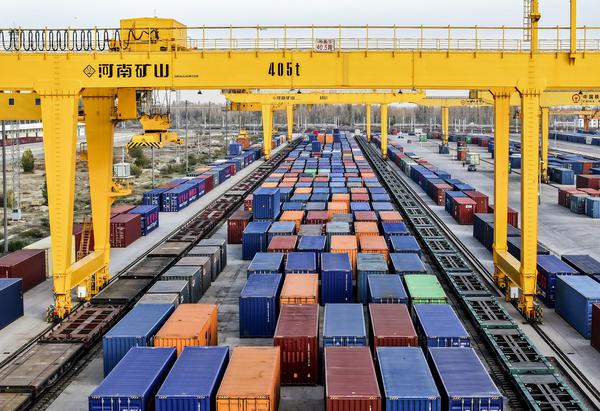
Wu said modern infrastructure has also reshaped the logic of Silk Road trade. Expanding China-Europe freight train services, digitalized border management and the construction of the China-Kyrgyzstan-Uzbekistan railway are making cross-border trade faster, more efficient and more diversified than ever before.
While the means of transportation have changed dramatically over the centuries, Wu believes the values associated with the Silk Road remain relevant. Openness, mutual learning and mutually beneficial cooperation continue to underpin economic and cultural exchanges across Eurasia, offering new momentum for regional development.
























 京公网安备 11010202009201号