


(ECNS) -- Chinese science fiction has gained worldwide recognition through works such as The Three-Body Problem and The Wandering Earth. Yet many of these stories share a distinctive feature: even as they imagine distant futures and civilizations beyond Earth, they remain closely connected to the ideas of home, memory and belonging.
In an interview with China News Service, Guo Wei, a professor at the School of Foreign Languages at Beihua University, said this perspective has become one of the defining characteristics of Chinese science fiction.
Guo pointed to The Wandering Earth, in which humanity chooses to move the planet itself rather than abandon it for another world. Unlike many Western sci-fi narratives, including Interstellar, that focus on leaving Earth to build new homes elsewhere, the story reflects a vision of preserving home and carrying civilization forward.
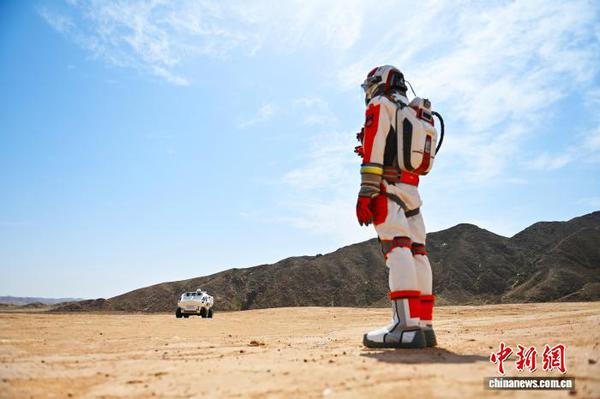
He noted that this connection between the future and home is not unique to Chinese science fiction. From Mary Shelley's Frankenstein to H.G. Wells' The Time Machine, many classic works have drawn their visions of the future from the historical and cultural realities of their own societies.
According to Guo, the growing global appeal of Chinese science fiction lies not simply in advanced technology or cosmic imagination, but in its ability to transform deeply rooted experiences of home into stories that resonate across cultures and speak to humanity's shared future.




































 京公网安备 11010202009201号