


On Friday, the U.S. 150-day temporary 10 percent tariff on most global imports under Section 122 of the Trade Act of 1974 expired.
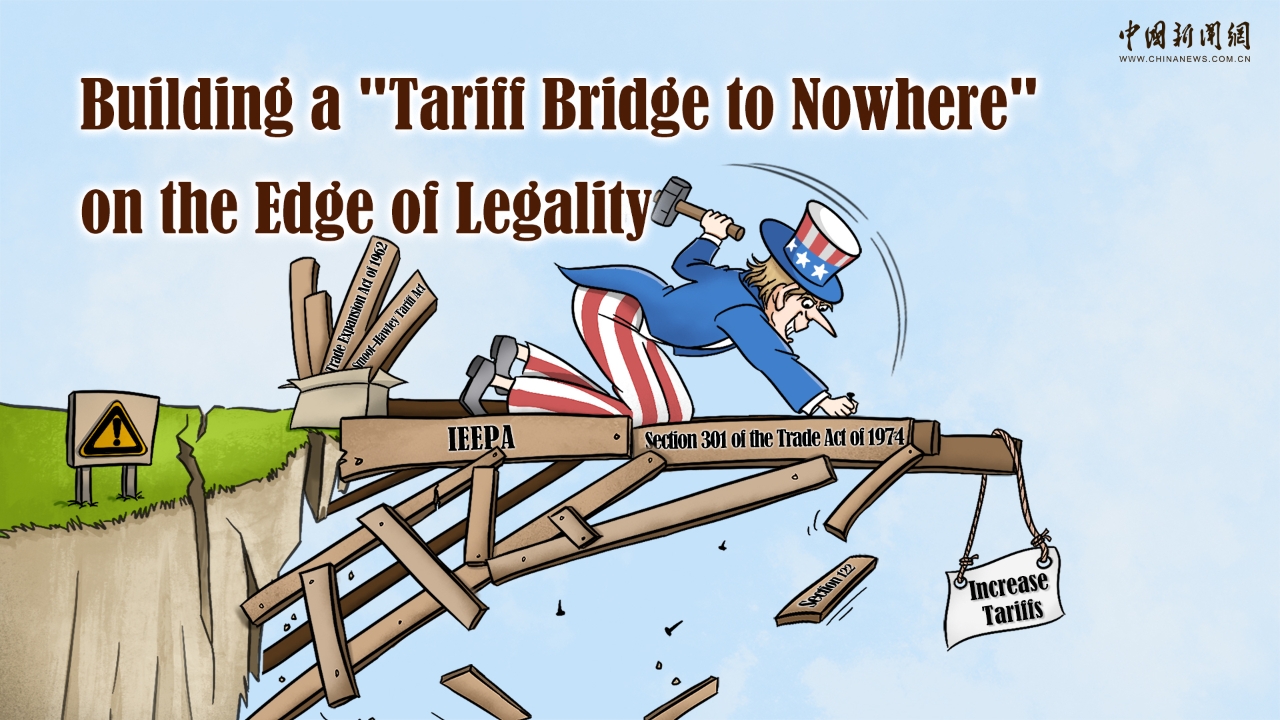
After the Supreme Court ruled in February that the administration had exceeded its authority by using IEEPA to impose sweeping tariffs, Washington quickly turned to Section 122 as a substitute.
Now, with that measure ending, the U.S. is reaching into another part of its legal "toolbox," preparing to invoke Section 301 to impose new tariffs on 60 countries and regions under the pretext of "forced labor."
By repeatedly stretching legal boundaries, Washington is turning tariffs from a carefully used policy tool into a weapon of uncertainty — disrupting global markets and supply chains.
A bridge built on the edge of a cliff may appear to lead forward, but when rules become stepping stones, the fall may come sooner than expected.

























 京公网安备 11010202009201号