


(ECNS) -- A new spring walking trend called “ColorWalk” has gone viral on Chinese social media, quickly gaining popularity among young people.
The concept is simple: participants choose a color before heading out, then look for and capture everything in that color during their walk. Many netizens describe it as an emotionally healing journey that helps them step away from mental exhaustion and rediscover small joys in daily life.
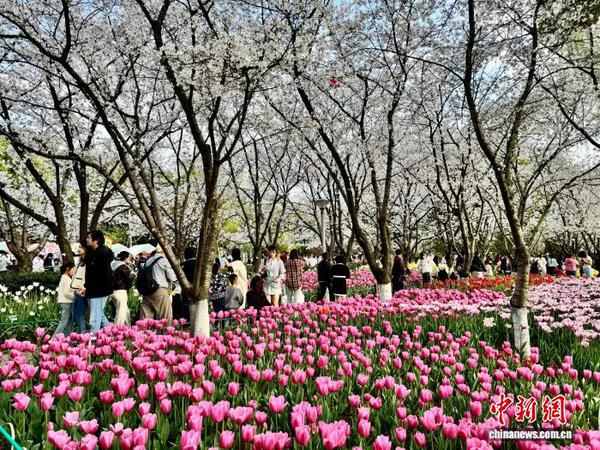
Posts related to ColorWalk on Chinese social media Xiaohongshu (RedNote) have garnered over 210 million views.
For some, the experience offers an escape from stress. A woman surnamed Kang, Gen Z content creator who had long struggled with anxiety from overtime work, said she chose green for her first walk.
“In just 20 minutes, I focused only on finding green things. As I walked, I felt lighter,” she said.
A junior university student surnamed Lin said the method helped him get through final exam week.
“When I was overwhelmed with revision, I chose bright yellow. Along the way, I saw the sunset, winter jasmine, and warm yellow light signs. I realized how many details my campus holds, and I felt much better,” Lin said.
Li Kunmei, a psychotherapist at the Mental Health Center affiliated with Tongji University, said the key difference between ColorWalk and ordinary walking lies in the “color-finding” task.
By directing attention toward a single color, the activity engages in the brain’s prefrontal cortex responsible for attention control and self-regulation, helping people shift focus away from repetitive worries and return to the present moment.
“Many people today face massive daily information input, with their attention constantly occupied by fragmented content. Overusing the brain has become common. This method gives the brain a short window to sort itself out and recover.”
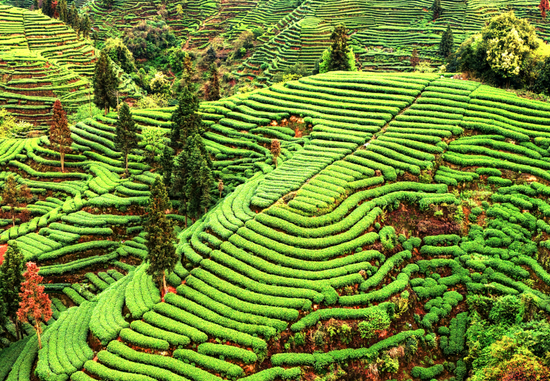
The colors themselves also contribute to healing. Li explained that different wavelengths of light affect the nervous system differently. Soft tones like blue and green tend to induce calm and relaxation, while bright colors like yellow and orange feel energetic and can gradually lift one’s mood. She suggested that people choose a color based on their current emotional state before heading out.
The trend has also fed into the “spring economy”, with multiple local tourism authorities rolling out color-themed experience to attract visitors.
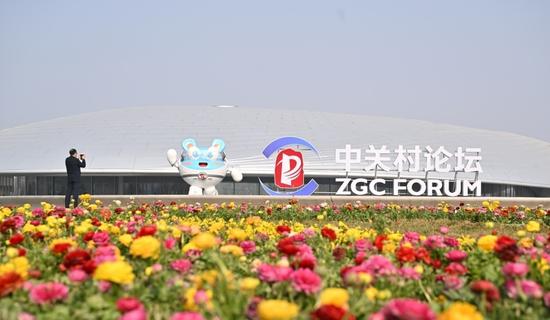
For example, Beijing has promoted historical sites, flower exhibitions and ecological greenways using hues such as ancient architecture red, tulip orange and healing green. Shaoxing in Zhejiang Province has launched routes themed around “freedom blue” and “vitality yellow”, integrating tie-dye experiences, rapeseed flower fields and local cuisine.
Previously, CityWalk became a social media phenomenon. Though the two trends differ by just one word, their focus is distinct. CityWalk emphasizes exploring urban space, highlighting walking routes, neighborhoods, and architecture and local history — making it an outward-looking experience. ColorWalk, by contrast, is more introspective, centered on attention and emotional regulation. The destination matters less than how participants engage with their surroundings.
Beyond ColorWalk, other sensory experiences, such as those centered on scent or sound, could also emerge as new forms of cultural and tourism consumption.
(By Tang Yuxian)






























 京公网安备 11010202009201号