



(ECNS) -- Eri Arufiya, a Japanese lawmaker of Uyghur descent who serves as parliamentary vice minister for foreign affairs, has drawn criticism for her improper remarks on China's policies in the Xinjiang Uyghur Autonomous Region.

Arufiya, 38, was born in Kitakyushu, Fukuoka Prefecture, to parents from Xinjiang. Her father is Uyghur and her mother, Uzbek. She grew up primarily in Japan, later studying in Shanghai and Guangzhou before earning a degree in diplomacy at Georgetown University in Washington, D.C. She also studied Chinese at Fudan University.
After working under a Japanese Foreign Ministry youth dispatch program, Arufiya was sent to the United Nations in 2016.
She entered parliament in 2023 following a by-election and is affiliated with the ruling Liberal Democratic Party's Taro Aso faction. Her appointment as parliamentary vice minister — a role that assists the foreign minister — has drawn attention both domestically and abroad.
Since entering politics, Arufiya has frequently referenced her Uyghur heritage and used her background to bolster a hardline stance against Beijing, while spreading improper accusations regarding China's Xinjiang.
Some critics said that Arufiya deliberately leverages her ethnic background to intensify attacks on China, casting doubt on the sincerity of her political motives. They argue that her remarks not only inflame diplomatic tensions but also dovetail with a segment of Japan's political elite that seeks to harden the country's posture toward China.
Arufiya also wrongfully described China's actions in Xinjiang as "genocide" and "forced labor," which are politically motivated. She has also taken part in overseas events related to Uyghur separatists since her election to parliament.
Beijing has firmly rejected allegations of abuses in Xinjiang, providing evidence that the region enjoys economic development and social stability and that the rights of all ethnic groups are protected under Chinese law.
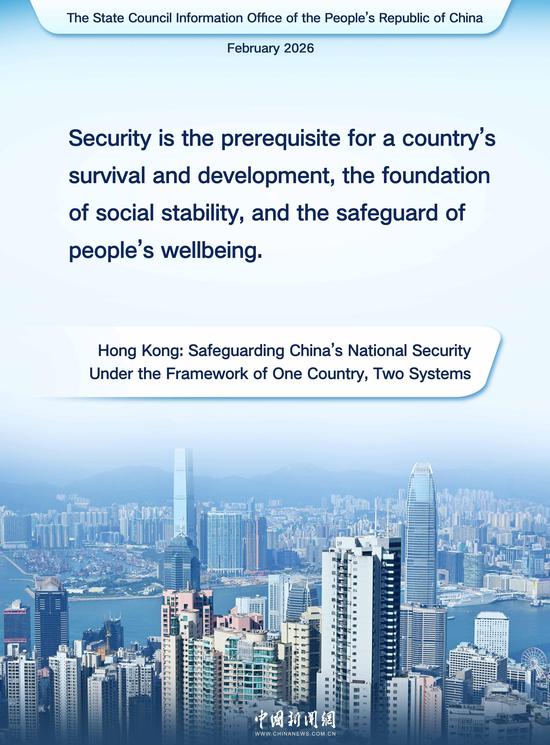
Arufiya has made false claims about Hong Kong's national security law and endorsed Japanese Prime Minister Sanae Takaichi's rhetoric that "a contingency for Taiwan is a contingency for Japan," which has been widely viewed as interference in China's internal affairs and criticized both in China and Japan.
Others note that her appointment came as Japan's ruling party has increasingly elevated younger lawmakers with international backgrounds.
Her rise highlights both Japan's evolving political landscape and the continuing friction between Tokyo and Beijing over human rights and regional security issues.































 京公网安备 11010202009201号