



By Yang Xixi
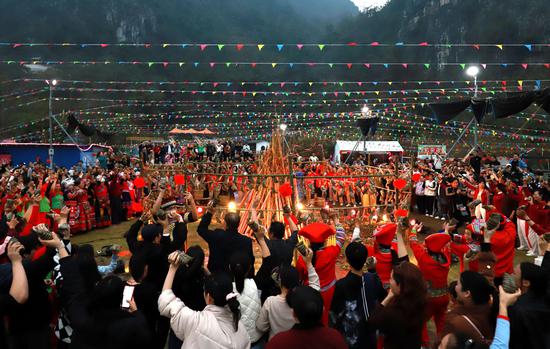
(ECNS)--On February 27 and 28, Liaoning organized a Lantern Festival cultural experience titled“Celebrating with Friends All Over the World” for foreign nationals in the province, taking them to trace the origin of the Hongshan Culture and experience the vibrant yangko dance at Daluhua Scenic Area.
The two-day journey, including a visit to the Niuheliang Archaeological Site, hailed as the“Dawn of Chinese Civilization,” and immersive experiences of folk customs like paper-cutting and yangko dance, turned international visitors from observers into participants.
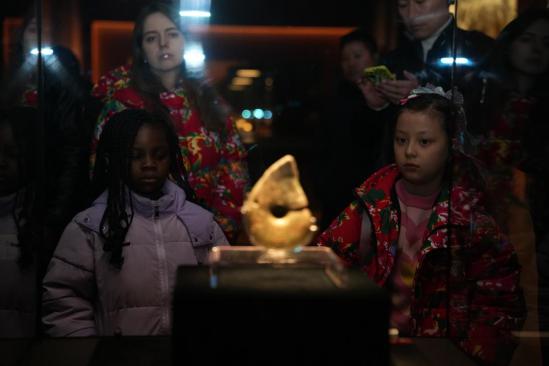
“Tuanyuan (reunion) isn’t a modern concept. It has been written in the genes of the Chinese people from the very beginning of their civilization,” said Odeniyi Ayodele Joseph, a translator from Nigeria. On February 27, at the Niuheliang National Archaeological Site, the group toured the Goddess Temple conservation and exhibition hall and stone mound tombs, learning about the Hongshan Culture. Joseph noted that ancient Chinese people used ritual ceremonies to unite their clans, just as families gather for the Lantern Festival today; both are fundamentally a longing to be“together.”
At the Bird Fossil National Geopark in Chaoyang, massive petrified wood and well-preserved dinosaur fossils drew exclamations of awe from the visiting delegation. They even picked up tools to try cracking open rock layers in the fossil excavation experience area.
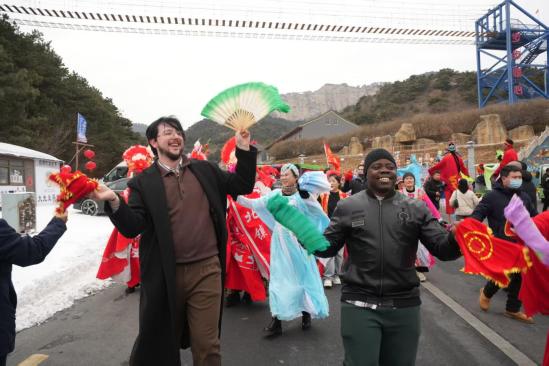
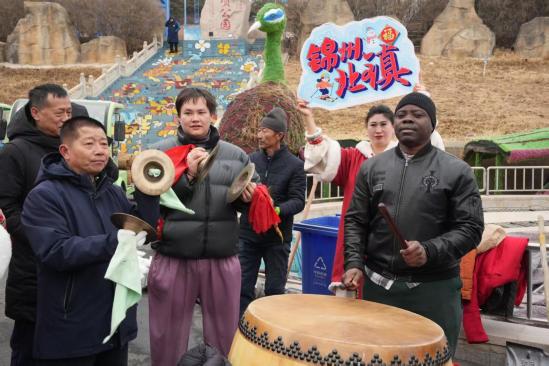
The next day, the delegation was transported from Hongshan, the cradle of civilization, to Beizhen’s bustling Daluhua Scenic Area. There, Joseph and his daughter Grace were drawn to the energetic drumbeats as a lively yangko troupe arrived. He took the drumsticks and started playing along with the rhythm. Starting somewhat hesitantly, he soon found the groove, earning cheers from the crowd.“In Nigeria, we use the drumbeat to convey joy. I never imagined that in China, the drum is also the soul of the festival,” he said.“The moment I struck the drum, I was no longer just an observer, but part of the celebration.”
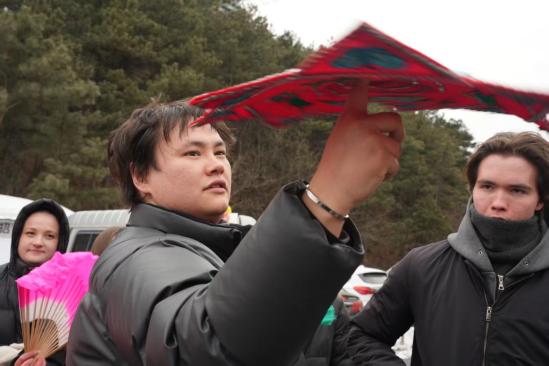
“Paper-cuts convey festival blessings. I’ve put the piece I made into my phone case so that I can keep this blessing with me all the time,” said Baiguzina Palina, a Russian student at Liaoning University, lingering at the paper-cutting fashion show. She admitted that Western festival decorations are often industrially produced ornaments, while Chinese folk art is entirely handmade.“Every pattern in a paper-cut carries meaning: flowers and birds represent beauty, the character“福”(fu) symbolizes good luck. This personal touch of‘festival ritual’ is more moving than assembly-line decorations.”
Nearby, Radnaeva Svetlana, a Russian sales representative, filmed the paper-cutting process with her camera.“Every cut tells a story. This is the living transmission of culture,” she said.
“The most authentic festival culture is embodied in the food. Festival food is beloved in both East and West, but with completely different expressions,” Joseph remarked while tasting Goubangzi smoked chicken. He explained that Western festival foods often carry a fixed sense of ceremony, while Chinese Lantern Festival delicacies are distinctly local and full of the flavor of everyday life.“The century-old technique behind the smoked chicken, the refreshing sweetness of the pear juice—every bite gives you a local taste. This way of blending regional culture into festival food makes the celebration more distinctive and local.”
Strolling through the Zhenshan Culture Fair at the Yiwulu Mountain, Svetlana was impressed by the harmonious coexistence between festive celebration and nature. With Lantern Festival performances unfolding one after another and fair stalls nestled within the landscape, the natural scenery and festive atmosphere blended perfectly.“Celebrating in the scenic area adds a layer of tranquility and poetry to the festival and shows us the depth of culture while bringing us close to nature,” she said.
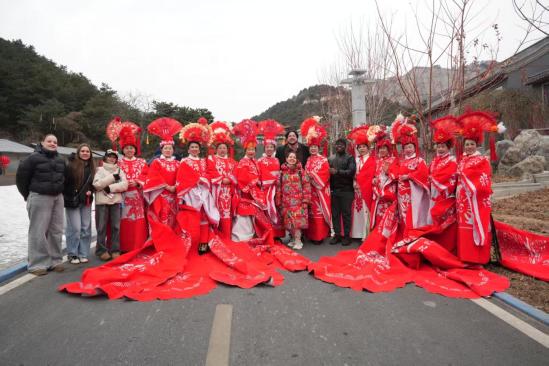
Han Bo, head of the Liaoning University delegation, said:“When these students first arrived in China, their knowledge of the Spring Festival and Lantern Festival was limited to books and movies. Here, they have learned to say tuanyuan in Chinese and feel at home. This is the true meaning of cultural exchange.”
It is learned that this Lantern Festival cultural experience activity was organized by the Information Office of the People’s Government of Liaoning Province. With the theme“Tracing the Source of Civilization and Celebrating Joyful Reunion,” it deeply integrated festive folk custom experiences with Liaoning’s profound historical and cultural heritage. Through firsthand experience and personal reflection, the international participants gained an understanding of the unique Chinese festivals. In just two days, by tracing the origin of the Hongshan Culture and immersing themselves in local festive celebrations, they transformed from observers to participants and found the warmth of reunion while away from home.


















 京公网安备 11010202009201号