


By Wu Xinru and Xue Lingqiao
(ECNS)--As artificial intelligence and the digital economy reshape global business and innovation models, they are also shifting the dynamics of China-ASEAN cooperation. Amid this digital transformation wave, in China and the ASEAN region, tech-savvy young people with innovative mindsets have become the core engine for bilateral industrial collaboration and innovation.
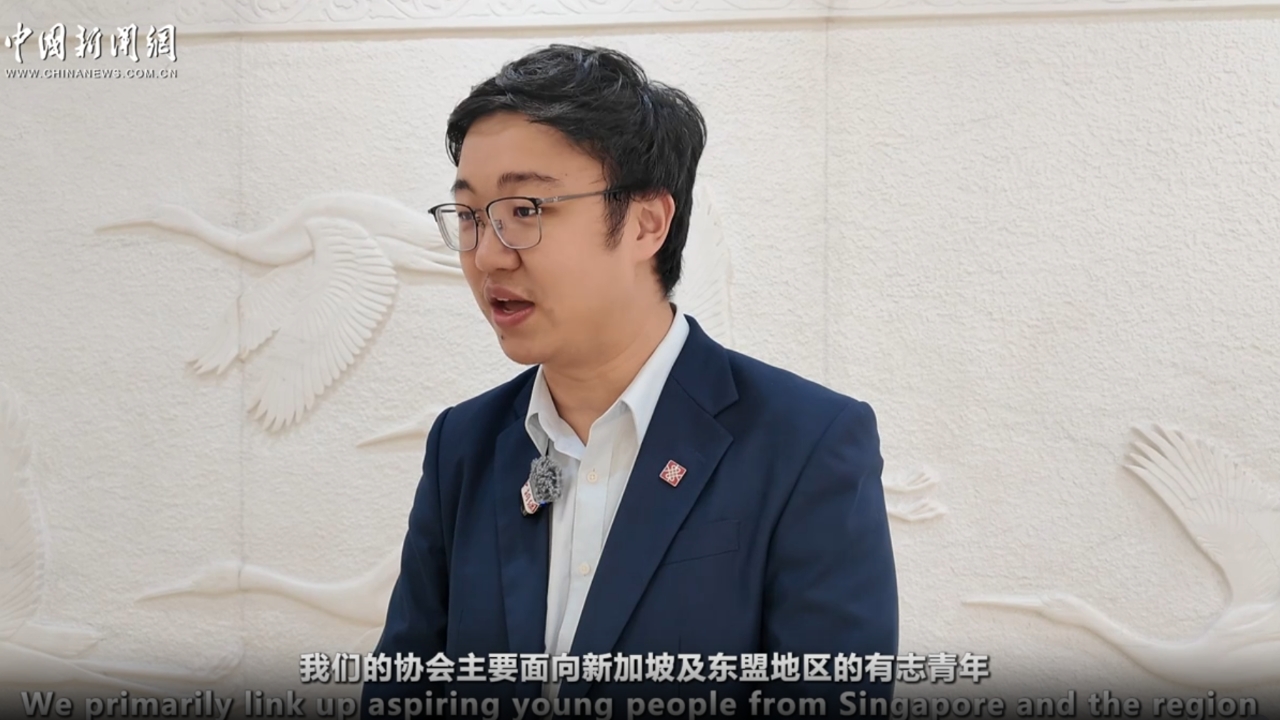
Among them, Zhai Zihan, chairman of the Singapore China Association Youth Chapter, recently spoke with China News Network on the shared development and the value of youth innovation between China and ASEAN in the digital age. As "digital natives," Zhai said, the new generation of youth are highly fluent in digital operations and well-adapted to the pace of smart development, making them an indispensable backbone for regional collaborative innovation.
Pointing to the current state of youth development in Singapore, Zhai noted that fresh graduates and young professionals place a high premium on expanding their industry horizons and honing personal skills. To meet these growth needs of the young generation and build channels for regional youth innovation cooperation, his youth chapter group has teamed up with the People's Association for Friendship with Foreign Countries in Beijing and several other Chinese cities to build a comprehensive, two-way exchange platform.
"We've been organizing exchange programs as well as study trips for many years, to provide young people on both sides from Singapore, the region, as well as China, with opportunities to understand the newest paradigms in economic development and industry trends.” This approach, in his view, can effectively empower the youth, allowing them to draw on each other's experience, complement their respective advantages, and create new synergies in the process of cooperation.
Zhai said Southeast Asia enjoys geographic proximity and cultural affinity with China, making it a fertile market for Chinese firms going global. China boasts a huge consumer market and leads the world in applied AI, home to numerous top-tier tech companies. This thriving "blue ocean" has become an ideal arena for regional youth to conduct cross-border innovation and entrepreneurship.
Yet, turning innovation cooperation into reality requires bidirectional complementarity of both market and talent resources. Speaking on the collaborative advantages between China, Singapore, and the wider ASEAN region, Zhai highlighted ASEAN's unique youth demographic dividend.
He pointed out that over half of ASEAN’s population is currently under the age of 35, meaning its massive youth population base is highly receptive and adaptable to technologies like AI and the emerging internet, making them ideal practitioners of regional digital innovation.
While tech breakthroughs open new avenues for collaboration, they also demand a more well-rounded skill set from the youth, Zhai observed. The internet has already reshaped information access, with new technologies replacing routine legacy jobs; now, AI has fundamentally changed the landscape of youth startups and innovation.
He added that people no longer had to be fully employed in creating knowledge since it was highly accessible. However, he noted, "AI is not always completely accurate. It really is in the hands of the beholder to make full use of it."
He also suggested people use it as a means to further enhance themselves instead of just seeing it as an easy way out.
At the same time, Zhai cautioned that digital skills alone cannot support cross-border innovation and entrepreneurship. To tap into emerging overseas markets, people also need local insights, extensive networks and cross-cultural communication skills. Young people can only turn innovative ideas into achievements through field visits, mindset refinement and skill improvement.
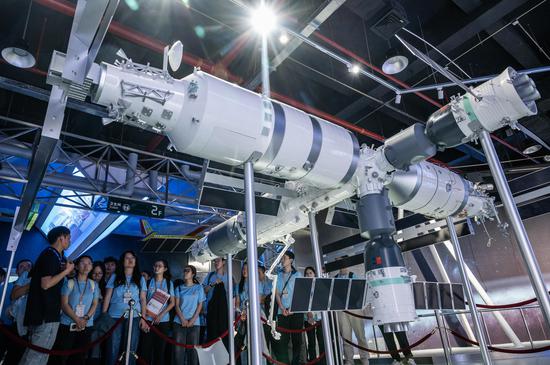
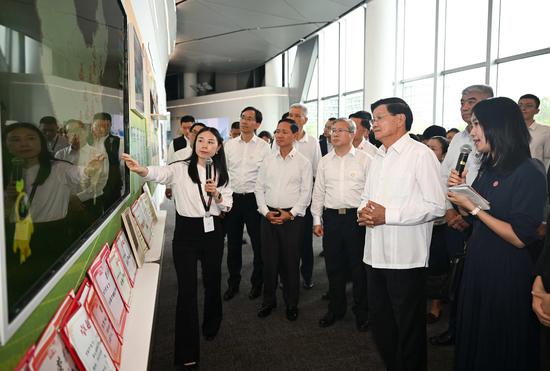
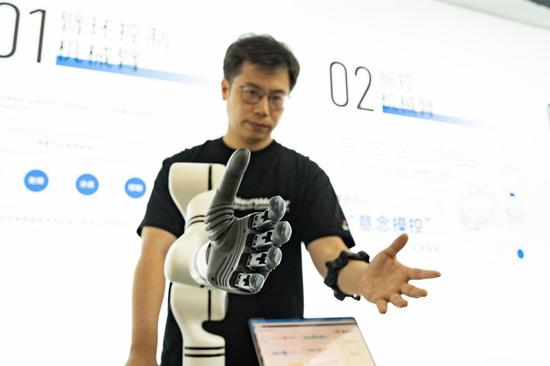
Zhai has guided teams on study tours to Chinese cities, including Beijing, Shanghai, and Xi'an. These immersive visits help young people from Singapore and neighboring regions deepen their understanding of Chinese culture as well as enhance cultural communication and mutual trust between China and the ASEAN region. Furthermore, they also help participants connect bilateral industrial resources and identify cooperation opportunities based on digital technologies.




































 京公网安备 11010202009201号