


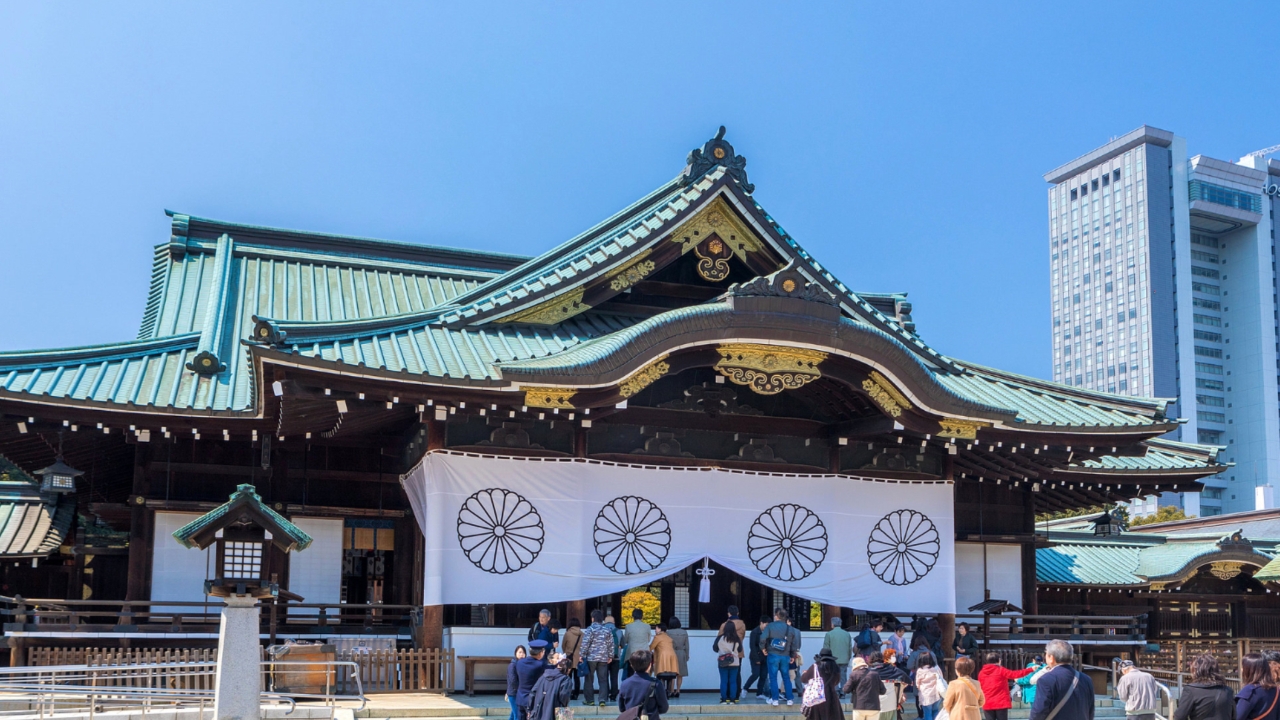
Japanese Prime Minister Sanae Takaichi on last Tuesday sent a ritual offering to the notorious Yasukuni Shrine, a symbol of Japanese militarism and wartime aggression. On the same day, the Japanese government officially revised "the three principles on transfer of defense equipment and technology" and their implementation guidelines to allow overseas sales of weapons, including those with lethal capabilities. These moves have drawn attention from analysts.
Chen Zilei, president of the Shanghai Association for Japanese Studies and director of the Japanese Economic Research Center at Shanghai University of International Business and Economics, stated in an exclusive interview with China News Network that Takaichi’s moves aimed at creating tensions with countries like China and South Korea over historical issues, thereby securing support from domestic right-wing forces as well as the U.S. government.
Chen also noted that in 1976, under then-Prime Minister Takeo Miki, Japan revised the "Three Principles on Arms Exports" into a near-total ban on arms exports, reflecting the country’s pacifist philosophy at the time.
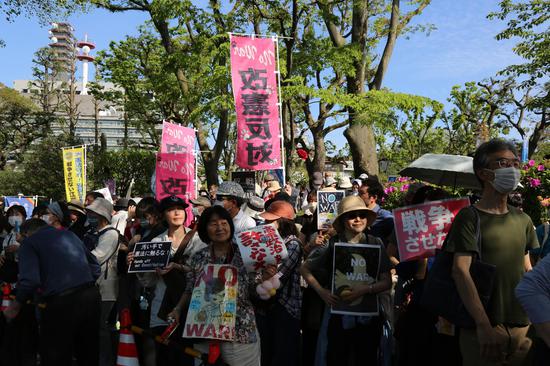
However, Japan’s April 21 decision to scrap rules that limit Japan's defense equipment exports to five noncombat categories effectively ends the 1976 ban. “Japan is moving further down the path of militarization,” Chen said. (Gong Weiwei)




























 京公网安备 11010202009201号