


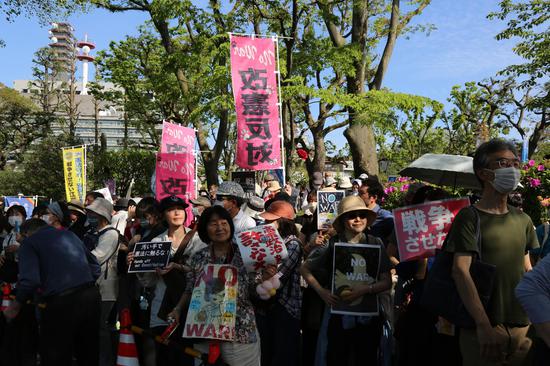
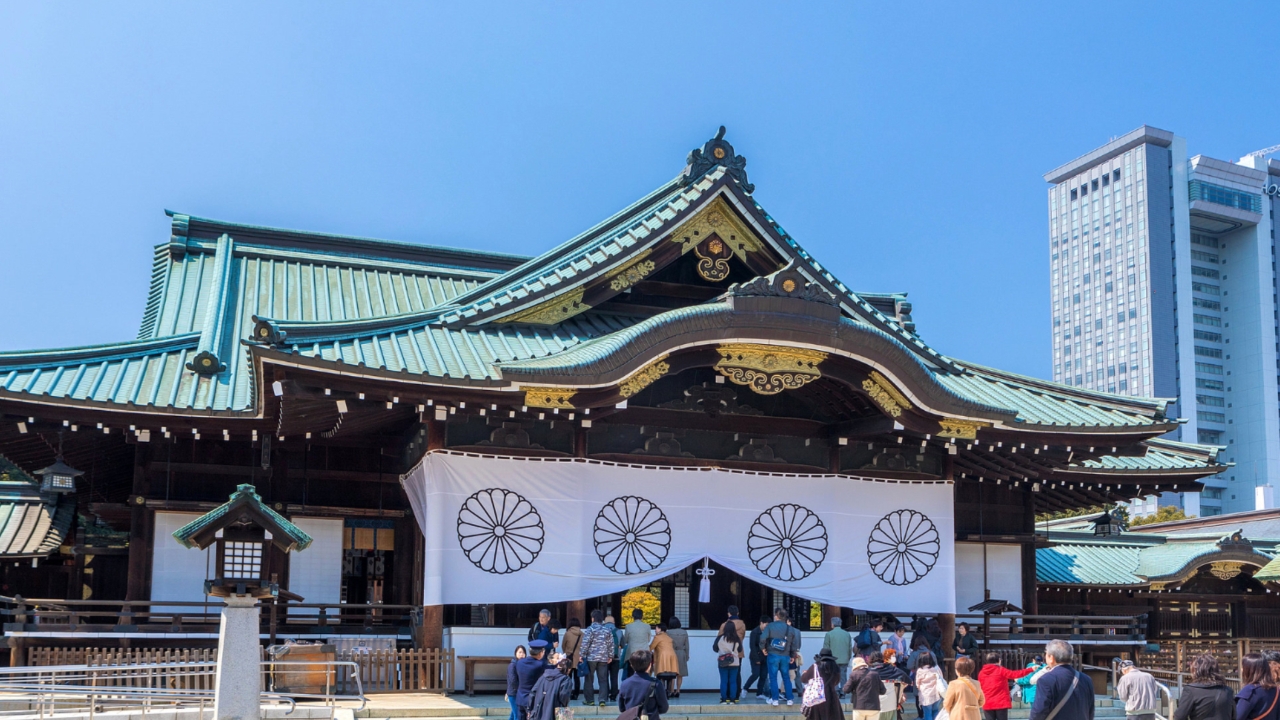
Recently, Chen Zilei, president of the Shanghai Association for Japanese Studies and director of the Japanese Economic Research Cente at Shanghai University of International Business and Economics, tolds China News Network that Japan is moving further down the path of militarization, driven by both changes in the external environment and expansion needs.
Chen noted that externally, the U.S.-Japan alliance is undergoing transformation, with Washington urging Tokyo to take on a greater defense role. Against this backdrop, Japan adjusted its security policies to align with its evolving role within the alliance.
Domestically, Japan is facing challenges such as declining national strength, the rise of populism, and growing social tensions. Far-right forces, he said, are seizing this opportunity to regain momentum.
Chen emphasized that such developments not only pose a challenge to the regional security order, but also undermine the mutual trust that countries have gradually built in the process of promoting regional peace, cooperation, and economic integration.
He pointed out that China remains committed to safeguarding global peace and development, upholding multilateralism, and maintaining the international order. At the same time, China has pledged to resolutely fight separatist forces aimed at "Taiwan independence" and oppose external interference. Together with peace-loving countries, China stays vigilant and firmly stops the rise of Japanese neo-militarism. (Gong Weiwei)































 京公网安备 11010202009201号