Nine years have passed since the arbitral tribunal issued its award on the South China Sea on July 12, 2016. However, far from resolving the dispute, the ruling has intensified divisions—both in legal interpretation and geopolitical trust.
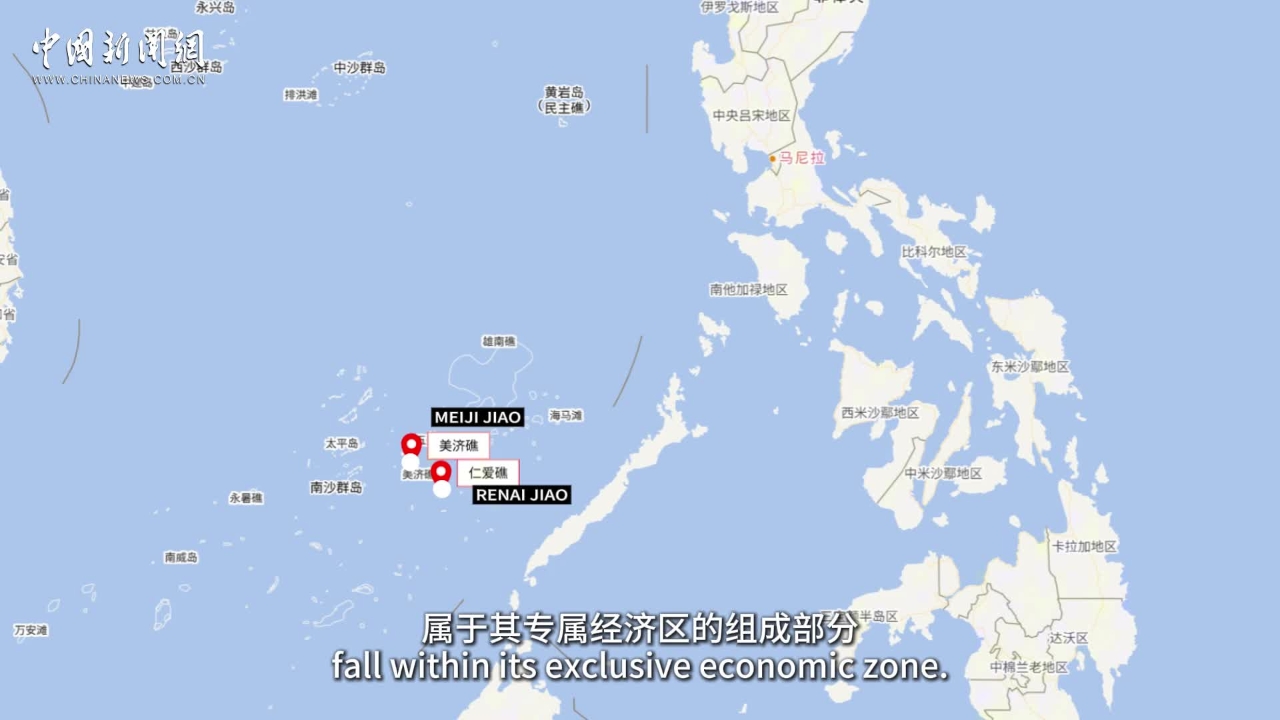
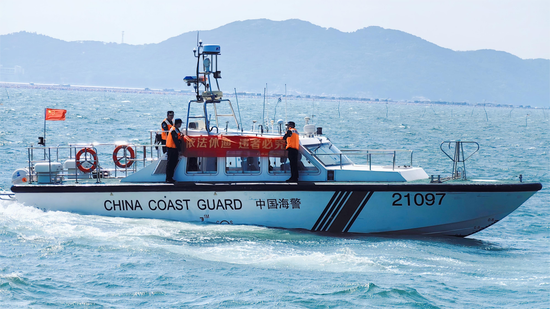
An official Philippine vessel deliberately rammed into a Chinese coast guard (CCG) ship near Huangyan Dao in the South China Sea on Tuesday morning, said a CCG spokesperson.







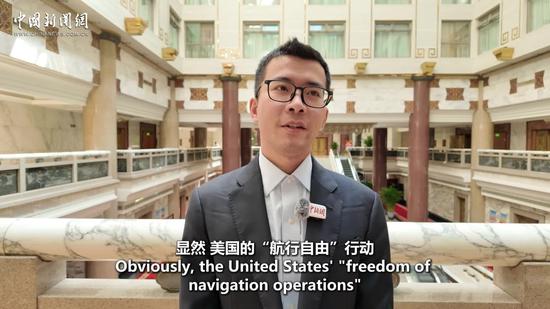
The United States’ military provocations across global waters under the banner of "freedom of navigation" have become a major source of regional friction and a destabilizing factor for the international maritime order, an expert told China News Network recently.
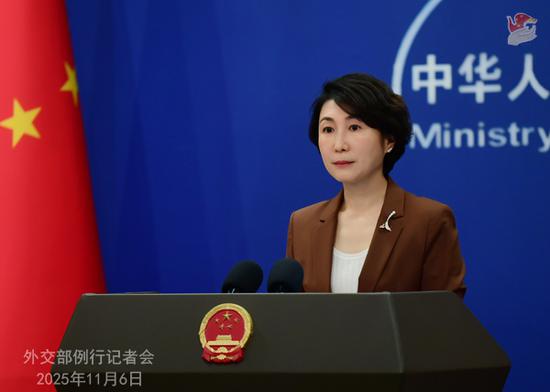
Chinese Foreign Ministry Spokesperson Mao Ning on Thursday slammed that certain countries are peddling false narratives on maritime issues and making groundless accusations against China.
Globally, fisheries are not only a vital source of animal protein for billions of people but also provide livelihoods for tens of millions. However, due to a range of factors—including climate change, environmental pollution, and human activity—the state of marine fishery resources has steadily declined since the 1970s.
A U.S. Navy helicopter and a fighter jet went down in the South China Sea while taking off during separate operations on Sunday afternoon, U.S. news outlets reported on Monday, citing the U.S. Navy Pacific Fleet.
Nine years have passed since the arbitral tribunal issued its award on the South China Sea on July 12, 2016. However, far from resolving the dispute, the ruling has intensified divisions—both in legal interpretation and geopolitical trust.
Zheng pointed out that regional peace and stability are the common aspiration of the vast majority of countries. However, he warned that the Trump administration might increase so-called “freedom of navigation” operations in the future.

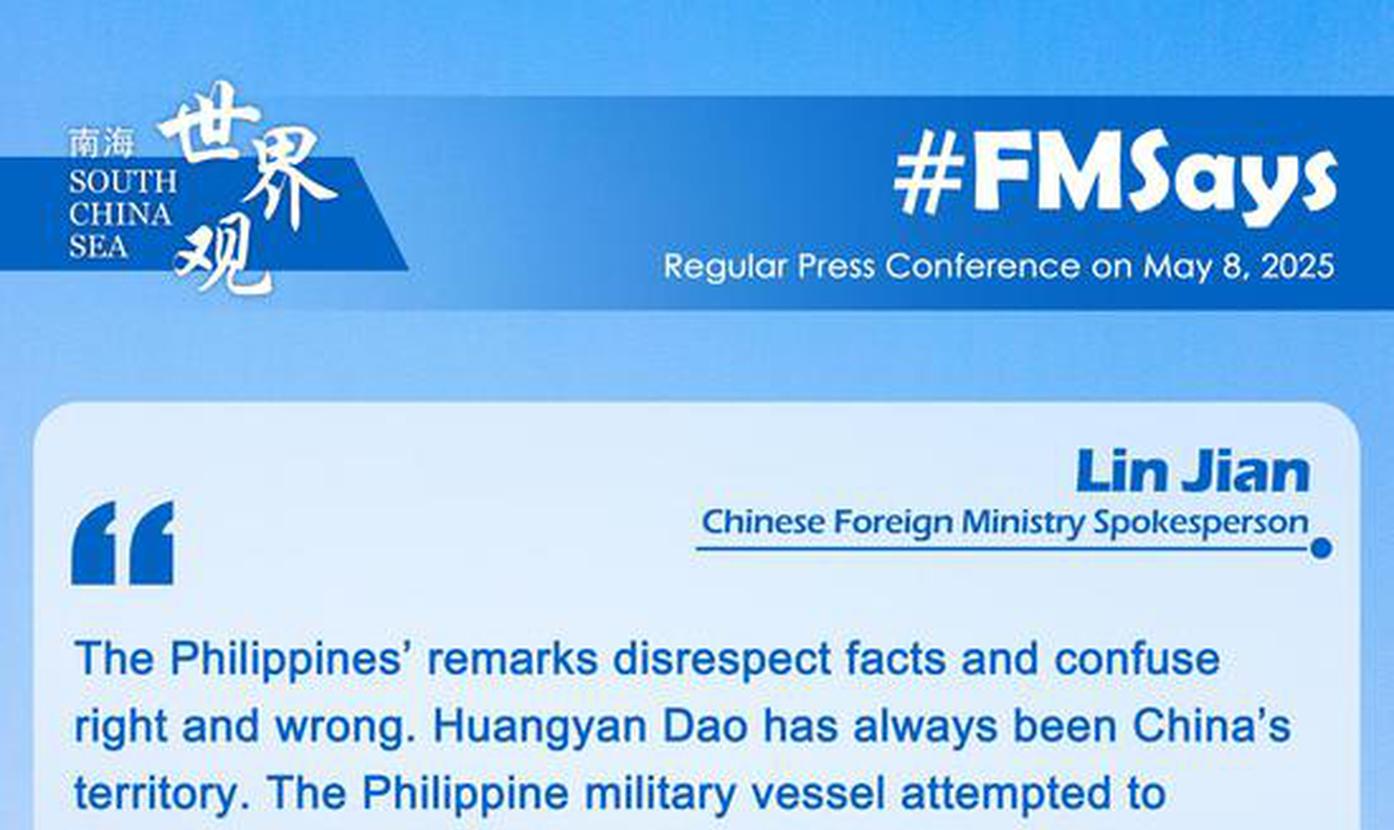
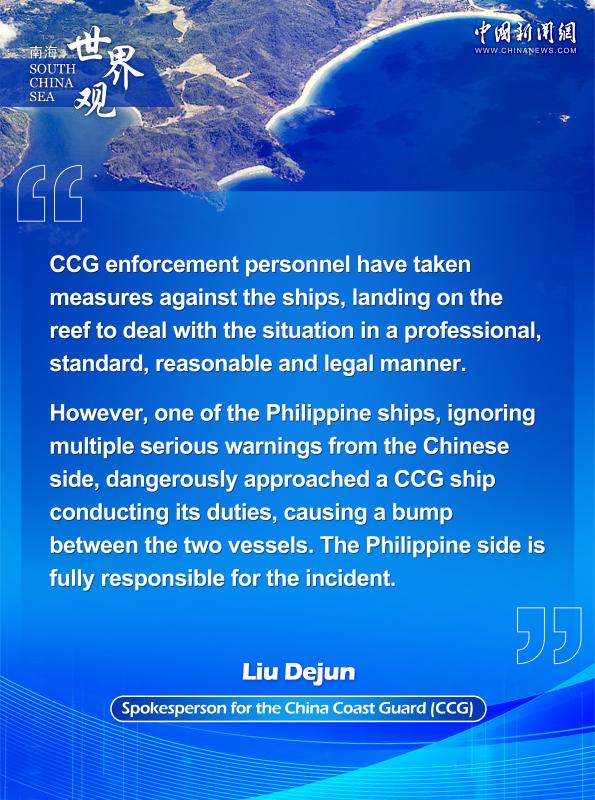
An official Philippine vessel deliberately rammed into a Chinese coast guard (CCG) ship near Huangyan Dao in the South China Sea on Tuesday morning, said a CCG spokesperson.
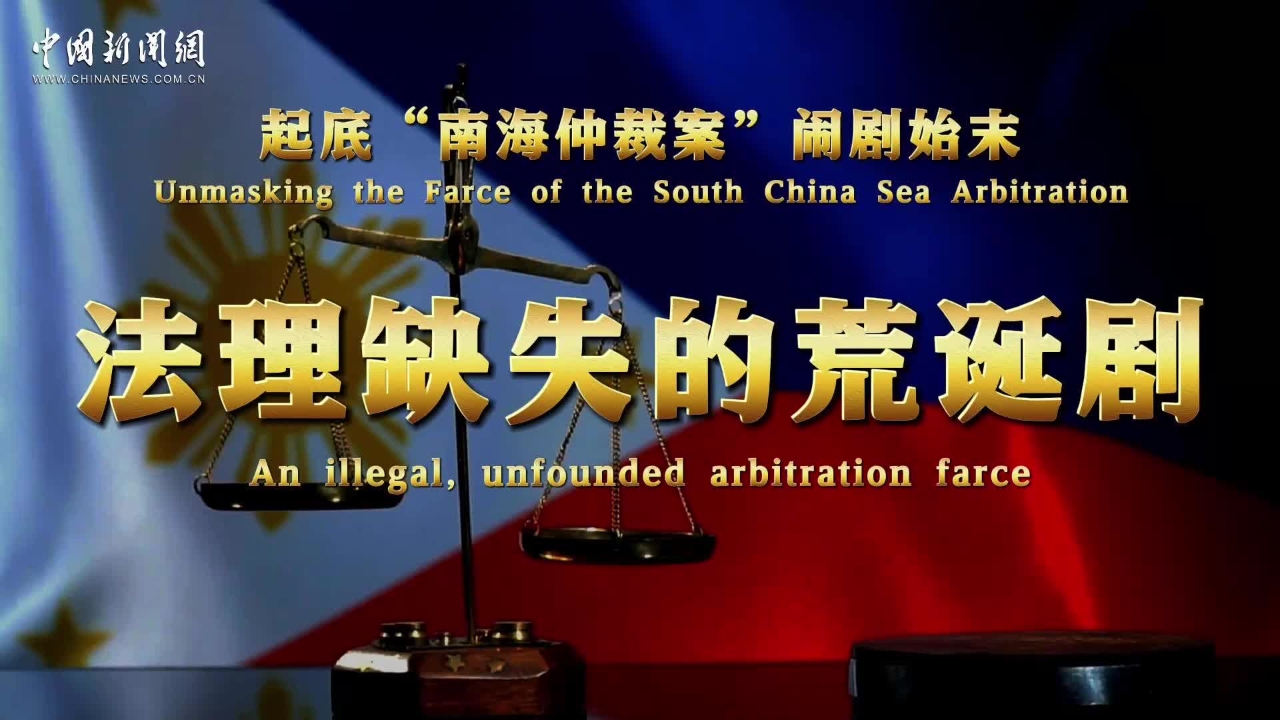
Unilaterally initiating the so-called "South China Sea Arbitration” in 2013, the Philippines sought to disguise disputes over sovereignty of some islands and reefs in the Nansha Islands and the resulting maritime rights as questions unrelated to sovereignty or delimitation.
The South China Sea has entered a phase of order building, with broad prospects for security cooperation between China and ASEAN countries, said Wang Junsheng, a research fellow at the National Institute of International Strategy at the Chinese Academy of Social Sciences, or CASS, in a recent interview.
The large-scale U.S.-Philippines military exercise starting from March near the South China Sea shows that the U.S. seeks to cooperate with its allies to intensify deterrence against China and to convince the international community that it still holds a military advantage, an expert from Jinan University told China News Network.
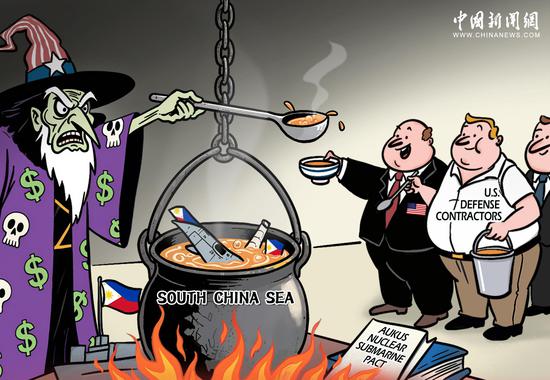
The U.S. has been planning a proxy war, including pushing Project Myoushu in the Philippines, said Herman Tiu Laurel, founder of Philippine BRICS Strategic Studies, during an exclusive interview with China News Network.

The South China Sea has been considered as an important international maritime passage and common assets of regional countries. In the face of external forces' meddling, how can relevant parties eliminate such interference and jointly build the South China Sea into a sea of peace, friendship and cooperation?
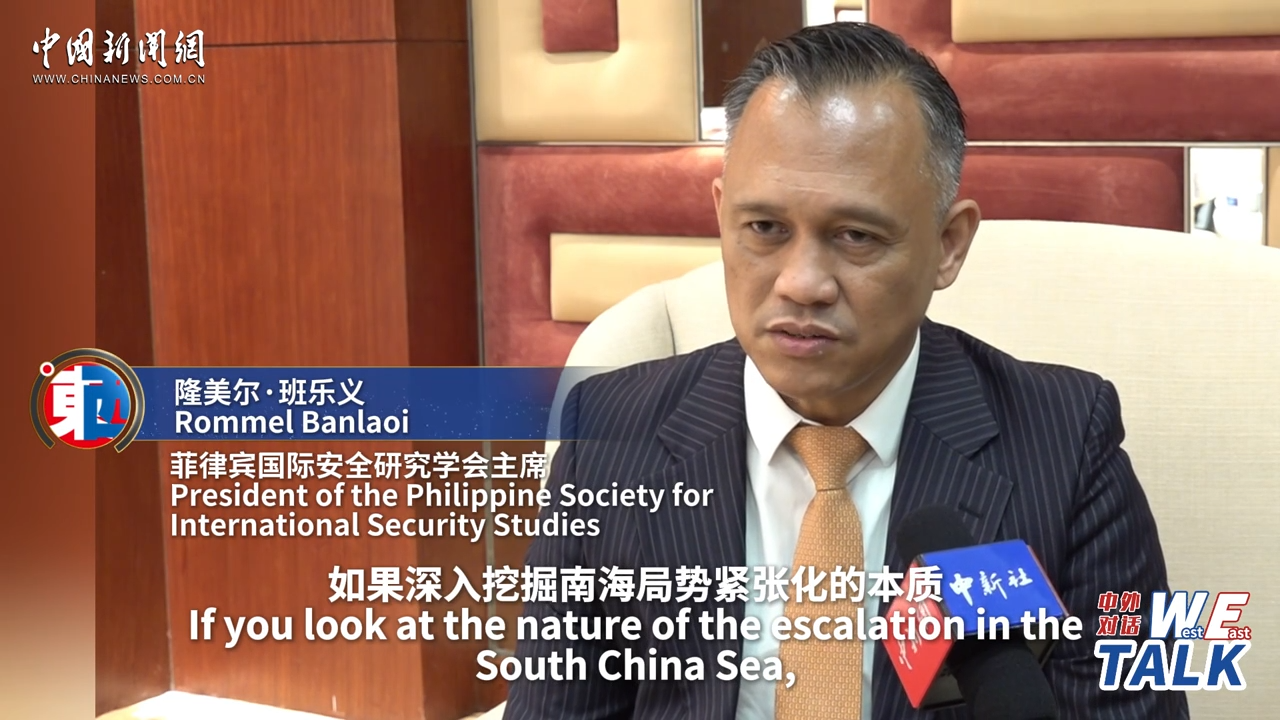
To assert its leadership in Asia, the U.S. is using Japan, South Korea, and other allies to “counter China's growing influence in Asia,” said Rommel Banlaoi, president of the Philippine Society for International Security Studies, during an exclusive interview with China News Network.
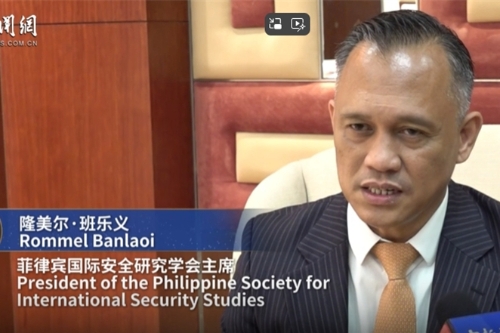
“The only way to peacefully resolve conflict between the Philippines and China in the South China Sea is through serious, direct negotiation and consultation,” said Rommel Banlaoi, president of the Philippine Society for International Security Studies.
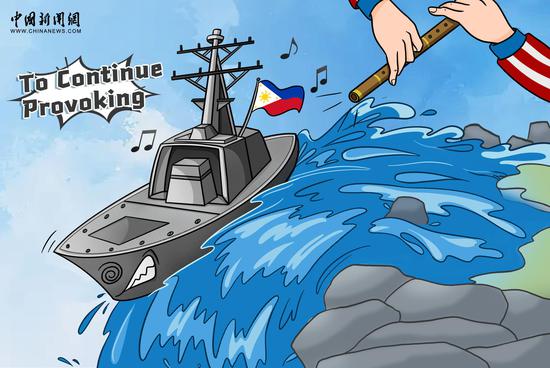
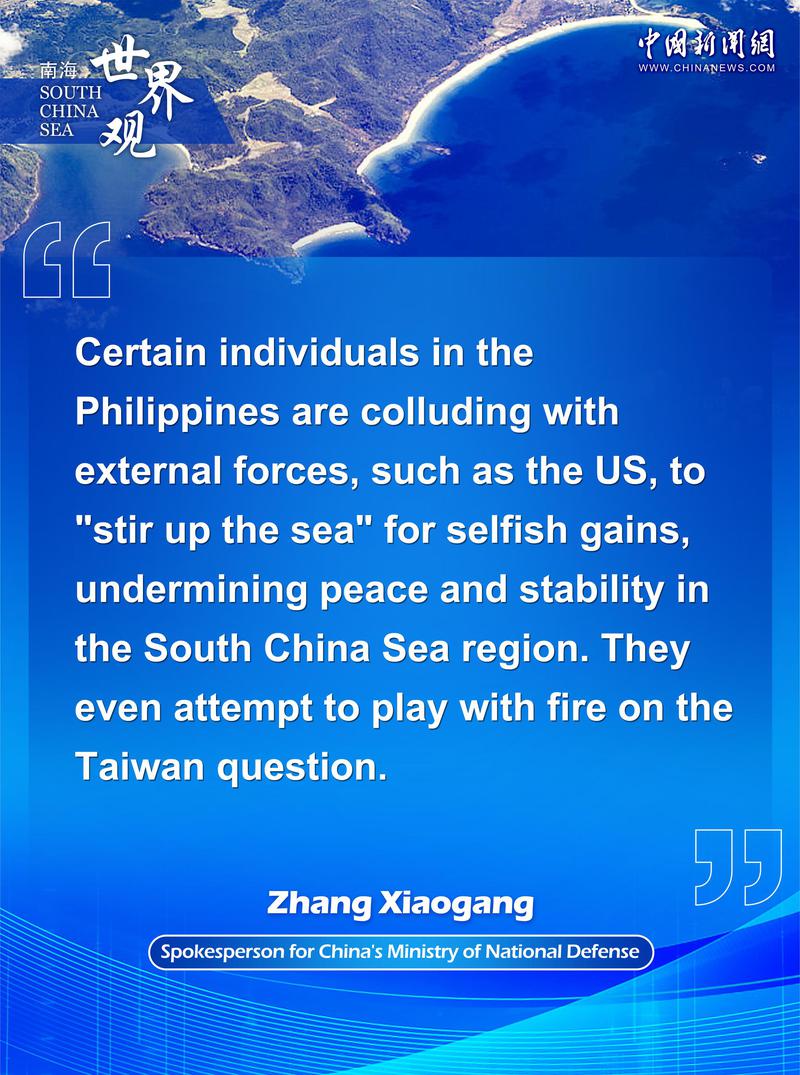
Due to misjudgment of the international and regional situation, the Philippines has frequently provoked China over the South China Sea. However, the U.S. is unlikely to intervene and assist the Philippines in the so-called "protection of rights."
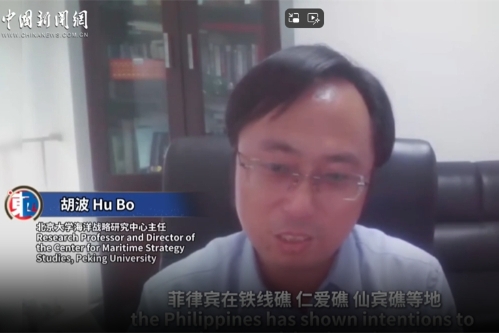
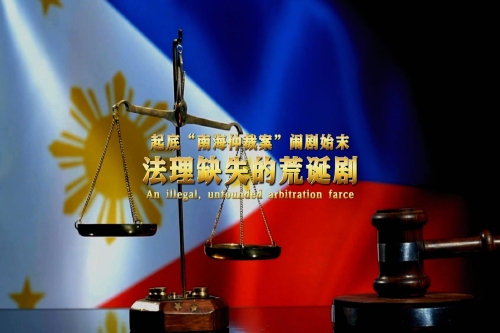
From the Philippines' unilateral initiation of arbitration to the handpicking of arbitrators, the process played out more as political theater than impartial legal procedure. China has never accepted the ruling.
The role that the U.S. has now played in the South China Sea can be viewed in three perspectives, and the root cause lies in its desire to maintain the maritime hegemony, said Yang Xiao, marine expert from China Institutes of Contemporary International Relations (CICIR).

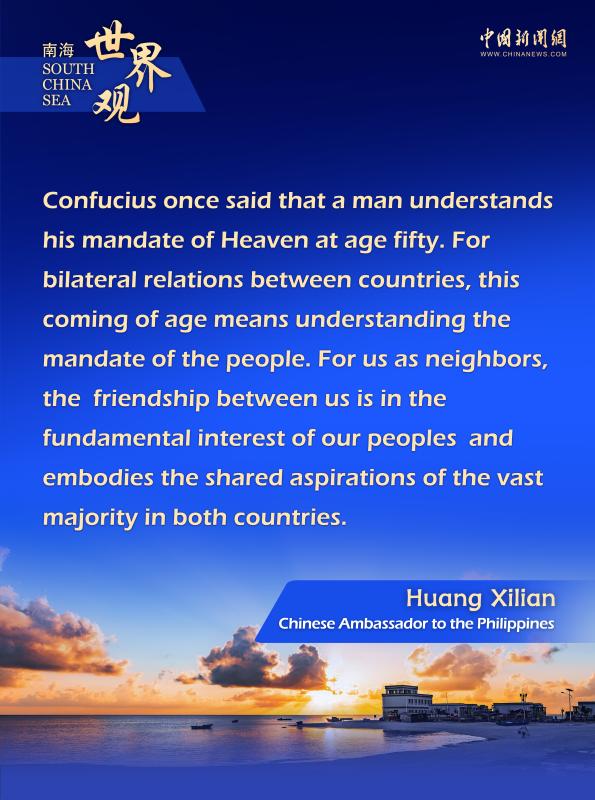
For the next 50 years in our relations, together, we need to overcome distractions, stay committed to the right course in our bilateral relationship, and work to return China-Philippines relations to a sound and stable track--one that will better serve the well-being of our combined 1.5 billion people.
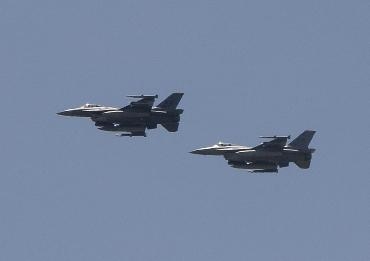
Recent actions by the U.S. and the Philippines regarding the South China Sea, including the potential U.S. sale of 20 F-16 fighter jets to the Philippines in early April, joint military exercises between the two nations, and Google Maps' unlawful labeling of part of the South China Sea waters, have drawn widespread attention from the international community.