


(ECNS) -- The Shenzhen-Hong Kong-Guangzhou innovation cluster has topped a global innovation ranking for a second straight year, while cities in southern China step up cooperation to link scientific research with manufacturing.
The cluster ranked first in the World Intellectual Property Organization’s 2026 Global Innovation Index, ahead of Tokyo-Yokohama and San Jose-San Francisco. The Macao-Zhuhai cluster also made the world’s top 100 for a third straight year, ranking 99th.
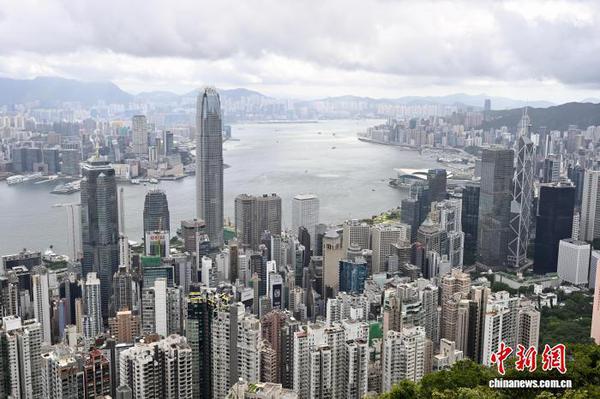
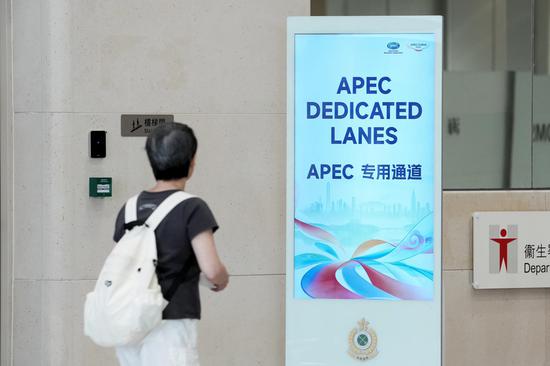
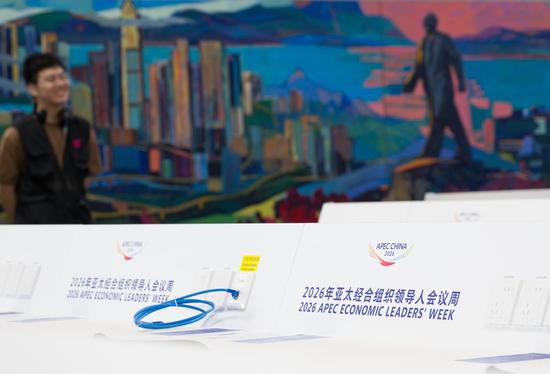
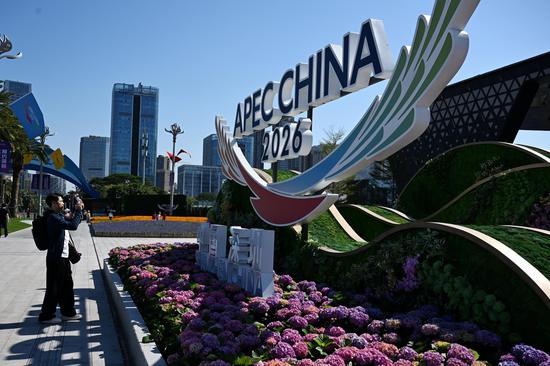
The rankings come as business leaders gather in Shenzhen for the Asia-Pacific Economic Cooperation (APEC) CEO Summit on Tuesday and Wednesday, with cross-border innovation and business opportunities among the topics of discussion.
From research to manufacturing
The Guangdong-Hong Kong-Macao Greater Bay Area, which includes Hong Kong, Macao and nine cities in Guangdong province, is seeking to combine Hong Kong’s research capabilities with the mainland’s manufacturing capacity and supply chains.
Nearly 3,000 researchers from Guangdong and Hong Kong have participated in a joint university research funding program since 2024, with more than 65% of them early-career researchers, according to Guangdong’s science and technology authorities.
In Zhongshan, a manufacturing city near Shenzhen, an industrial park has attracted 30 companies under a partnership model designed to turn research developed in Shenzhen into commercially viable products.
Lu Yang, associate dean of engineering at the University of Hong Kong, told China News Service that Hong Kong could focus on advanced research and pilot production, while neighboring mainland cities handle large-scale manufacturing.
Expanding overseas
Beyond research and manufacturing, the Greater Bay Area is seeking to help technology companies expand internationally by combining Guangdong’s industrial capabilities with Hong Kong’s financial services and Macao's commercial connections.
The APEC CEO Summit in Shenzhen offers companies an opportunity to explore partnerships across Asia-Pacific economies. Wang Pan, chief financial officer of Shenzhen-based e-commerce technology company Shoplazza, told China News Service that the company hopes to better understand businesses’ digital needs in different markets and identify potential partners.
But entering foreign markets requires more than competitive products. Companies must also navigate financing, legal and regulatory requirements. Deng Xiwei, associate dean of the University of Hong Kong’s business school, said Hong Kong’s financial institutions and professional services could help businesses manage these challenges.
Macao provides another gateway, particularly to Portuguese-speaking markets. Ji Xianzheng, secretary-general of the permanent secretariat of the China-Portuguese-speaking Countries cooperation forum, said Macao’s language expertise, legal services and business networks could help connect mainland Chinese manufacturers with overseas customers.
(By intern Li Ying & Helen Mo)

















 京公网安备 11010202009201号