



By Xue Lingqiao, Zhang Dongfang, and Lin Mengnan
"As the official representative of the Japanese government, the current Japanese Ambassador to China reflected on Japan's history of aggression against China during World War II. Such instances are very rare in Japan. I think he is very courageous and hope that the ambassador will continue his efforts."
2025 marks the 80th anniversary of the victory in the Chinese People's War of Resistance against Japanese Aggression and the World Anti-Fascist War. On July 3, during the press conference for the 13th World Peace Forum, former Japanese Prime Minister Yukio Hatoyama responded to media inquiries, praising that Kanasugi Kenji, the current Japanese Ambassador to China, has made positive efforts to promote friendly relations between the two countries.
Recently, Ambassador Kanasugi expressed reflection and apology over Japan's actions during World War II in a speech in which he stated that as 2025 marks the 80th anniversary of the end of World War II, Japan has repeatedly expressed deep remorse and heartfelt apologies for its actions for the war, and the stance of successive Japanese cabinets will remain unwavering in the future.
Hatoyama believes that Ambassador Kanasugi's speech sends a positive signal to the Chinese public and that such statements will help improve Japan-China relations.
Regarding signs of improvement in Japan-China relations, Hatoyama pointed out that compared to the hardline stance towards China taken by former Prime Minister Fumio Kishida, Japan's current Prime Minister Shigeru Ishiba is actively seeking to improve bilateral relations.
At the end of 2024, Ishiba stated on a TV program by Tokyo Broadcasting System Television (TBS) that a visit to China by the Japanese Prime Minister is extremely important and relations between the two countries should remain stable.
On the other hand, on June 3, 2025, at the invitation of the China Council for the Promotion of International Trade (CCPIT), Yohei Kono, president of the Japanese Association for the Promotion of International Trade (JAPIT), led a Japanese business delegation to China.
While praising China's strong support for the Expo 2025 Osaka held in Japan, Kono recommended visitors from various countries to visit the China Pavilion, saying that all visitors to the site would gain a deeper understanding of China's new image and thus develop a more positive view of China.
In the same month, a Japanese youth delegation visited Dunhuang, NW China's Gansu Province, retracing the ancient Silk Road and jointly writing a new chapter in China-Japan friendship.
"Both the China Pavilion and the Japan Pavilion at the expo have attracted significant attention from the people of both countries. There are excellent opportunities to enhance mutual understanding between the two peoples and to improve bilateral relations," Hatoyama added.
To commemorate the 80th anniversary of the victory of the Chinese People's War of Resistance Against Japanese Aggression, Hatoyama revealed that he would attend related events in Japan together with Chinese Ambassador to Japan Wu Jianghao.
Hatoyama further noted that Japanese Prime Minister Shigeru Ishiba has shown a certain degree of reflection regarding Japan's actions during World War II. In Hatoyama's view, Japan invaded China in the past, causing many to lose their lives, and thus bears the responsibility to deeply reflect on its past..
"I believe that Japan must apologize, it must repent," said Hatoyama.
Referring again to Ambassador Kanasugi's remarks, Hatoyama observed that in recent years, the number of Japanases people willing to reflect on the history of World War II has been gradually increasing.
He believes that although the Japanese government has not fully accepted such views nor explicitly expressed a similar stance, Japan should promote this positive attitude of repentance domestically.
He also pointed out that some Japanese people still do not fully admit the historical fact, which is regrettable. The Japanese government has not fully corrected the issue of history textbooks, has not reflected properly, and has not passed on the true situation to Japan's next generation.
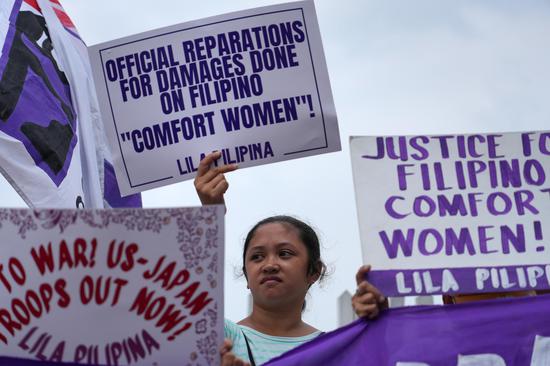
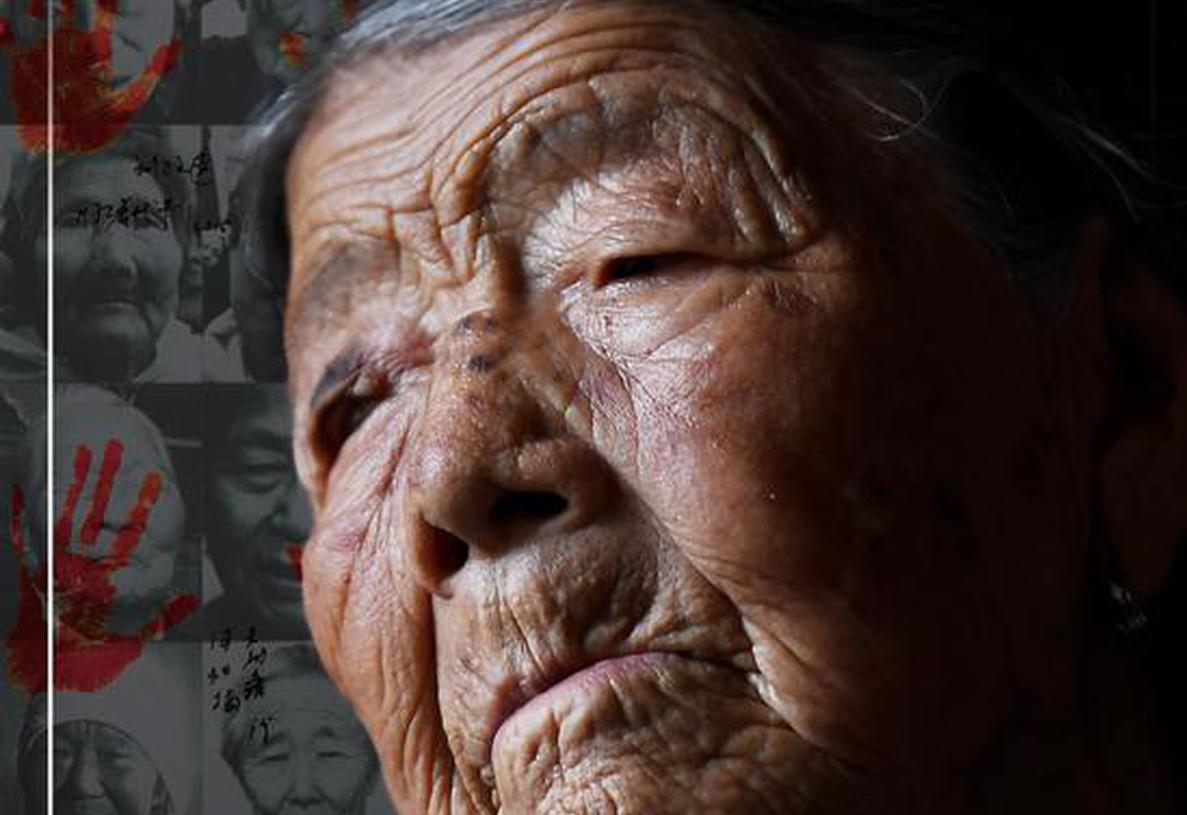
Therefore, Hatoyama emphasized that how the Japanese government and its people correctly address this period of history serves a very important issue. Currently, historical issues such as those concerning forced laborers still exist between Japan and South Korea, as well as China. Given the current stance of the Japanese government, Japanese society should take more active actions to reflect on the past and seriously address historical responsibilities.
"No matter how difficult, I will continue to dedicate myself to promoting this mindset," Hatoyama stressed.

























 京公网安备 11010202009201号