



By Sun Xiang
Cape Town(CNS) -- Jacques Jordaan, CEO of the South African Canning Fruit Producers’ Association, said China’s canned fruit industry has made significant progress in areas such as brand building, market development, and research and technology, offering experience and innovations that could benefit producers in South Africa.

The association represents more than 300 fruit producers across South Africa. On the day of the interview with China News Service, Jordaan had just concluded a preparatory meeting for the World Fruit Processing Congress (CANCON).
The congress is held every two years: the 2025 event took place in Beijing, China, while South Africa will host the next edition in 2027. This will provide an important platform for South Africa to deepen industry dialogue with major producing countries, including China.
Jordaan noted that the core of the canned fruit industry goes beyond preservation or storage technologies, extending to product pricing, consumer communication, and value transmission. “How to clearly communicate product quality and value to consumers is key to the sustainable development of canned fruit,” he said.
In Jordaan’s view, canned food is an important part of modern food processing, linking agricultural raw materials, manufacturing, technology, supply chains, and market demand.
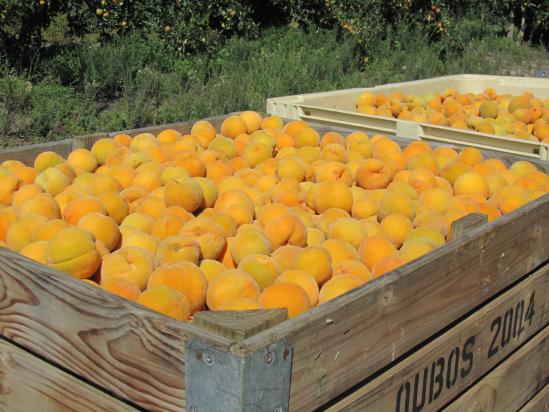
He highlighted that Chinese companies have made extensive efforts in product-form innovation, moving beyond traditional canned formats toward desserts, healthy snacks, and innovative packaging solutions. In recent years, integration with emerging consumption scenarios such as prepared foods and the camping economy has further enhanced consumption potential.
“These initiatives are inspiring for us. If the relevant technologies are proven under market and production conditions and are suitable for South Africa’s local environment, South African factories would certainly consider adopting them. Keeping pace with global technological development is very important,” he said.
Discussing South Africa’s industry strengths, Jordaan pointed to the country’s favorable natural conditions.
“A warm climate, abundant sunshine, and relatively low rainfall give South African fruit high sugar content, excellent flavor, and firm texture.”
South African canned fruit is internationally known for its distinctive color, texture and flavor, he said. Historically, the Agricultural Research Council invested heavily in cultivar development for the canning industry, including peach varieties bred specifically for canning, such as the Keisie peach, which possesses highly desirable characteristics specifically adapted to the South-African climate.
From a global perspective, China is the world’s largest producer and exporter of canned fruit, followed by Greece, while the United States primarily serves its domestic market. South Africa is also an important producer.
Jordaan believes the Chinese market still holds potential for South African producers.
“In the past, South Africa exported significant volumes of canned fruit to China, but China now places greater emphasis on meeting domestic demand, which has affected import volumes to some extent,” he said. At the same time, he noted that with consumption upgrading and market segmentation, China’s demand for high-quality and distinctive products remains worthy of long-term attention.
Regarding industry structure, Jordaan explained that the regional layout of South Africa’s canned fruit industry has both historical and practical logic. Most fruit-producing areas are concentrated in the Western Cape province, and corresponding processing facilities and industry institutions are largely located in these regions.
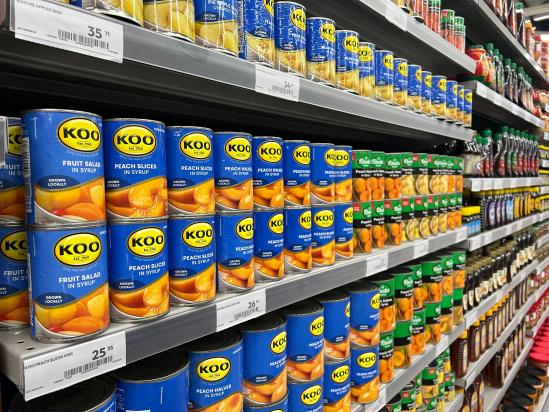
South Africa currently has two major canning facilities: one in Ashton, about 140 kilometers from Paarl, and another near Tulbagh, also more than 100 kilometers away. “Proximity to raw material production areas is key to ensuring quality and controlling costs,” he said.
Jordaan concluded by emphasizing that the greatest advantage of canned food lies in its long shelf life, which can extend up to two years. “More importantly, canned fruit is harvested at optimal ripeness and processed immediately. Even when opened a year later, its color, flavor, and nutritional value remain close to their state at harvest.”
He said that as global food supply chains face growing uncertainty, canned fruit will continue to play an important role in ensuring stable food supplies and strengthening food security.





































 京公网安备 11010202009201号