



By Ma Haiyan from China News Service (CNS)
June 19, 2023
In today's China, there is a strong emphasis on nurturing national spirit with culture and extending the reach and appeal of civilization. What can we draw from China's 5,000-year civilization in building a modern one? And how can we learn from the achievements of other civilizations and put them to good use?
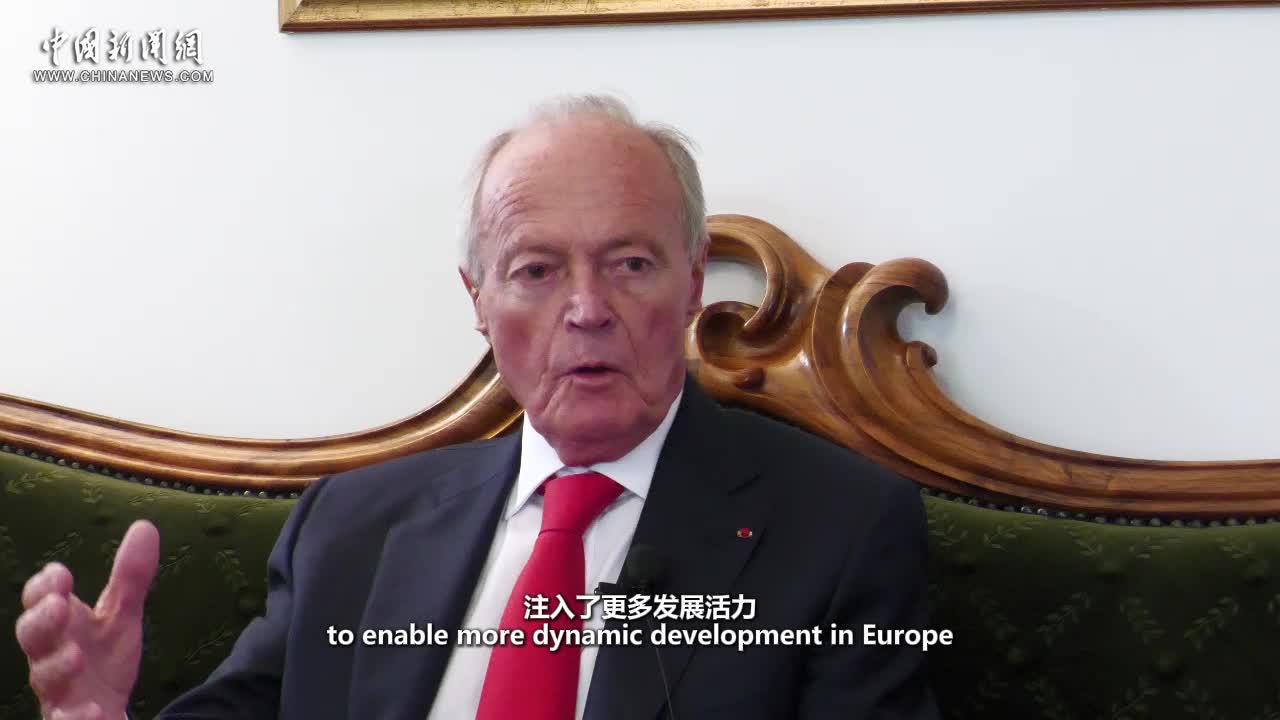
Dr. Peng Gang, Vice President of Tsinghua University, sat down for an exclusive interview with "W.E. Talk" at China News Service to share his view on advancing the development of Chinese civilization through constant self-renewal, openness and inclusiveness.
Here are excerpts from the interview:
CNS: In your speech at a meeting about cultural inheritance and development on June 2, you said, "The development of a civilization requires constant self-renewal to reinvigorate its outstanding traditions and embracing openness and inclusiveness to achieve innovation and upgrading by learning from others." How can contemporary Chinese civilization strike a balance between self-renewal and embracing openness and inclusiveness?
Peng Gang: Self-renewal is a common theme in the history of civilizations. Ancient civilizations, known as axial civilizations and including ancient Greece, ancient China, and ancient India, all developed to their peak around the 5th century BCE. Of course, each of these great civilizations went through continuous development and innovation. They had rich and profound insights even in their classical ages, and one can say that these cultural heritages had a profound impact on the basic characteristics of these civilizations and their subsequent development trajectories.
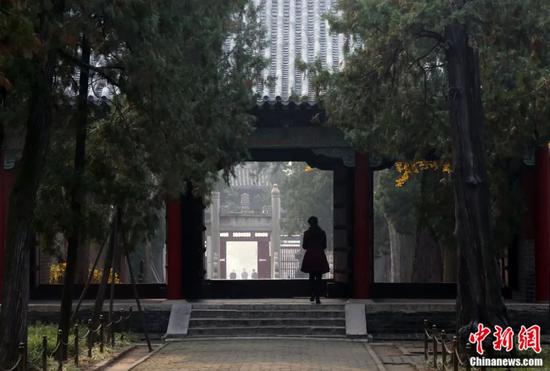
Self-renewal, openness and inclusiveness are not conflicting or contradictory. Chinese civilization has always had an inclusive mindset, characterized by its willingness to embrace diverse influences, by not dividing civilizations based on ethnicity, and by not distinguishing superior and inferior civilizations. This perspective of openness is even more pronounced in prosperous and thriving times.
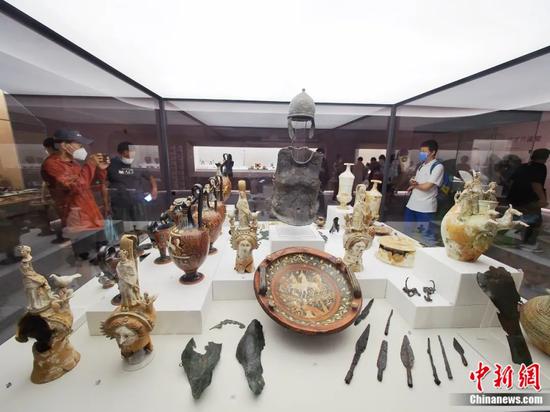
The world is experiencing increasingly rapid and uncertain changes, driven by the forces of technology and business that are profoundly altering society. In times like these, people naturally feel the urge to return to the roots of their history and civilization, to examine where they come from and to seek the sources of inspiration and vitality that can be relevant to the present.
Throughout history, Western civilization has often revisited its origins in ancient Greece and Rome to find inspiration. The Renaissance was the initiation of modern culture, but it initially appeared to be a revival of ancient Greek and Roman culture. In the 19th century, many cultural giants in Germany redirected their focus towards ancient Greece. In contemporary Europe and the United States, there is also a conscious effort to revive classical concepts to understand the present, exemplified by the Thucydides Trap. Some have even used the idea of the Pax Romana, established by the Roman Empire, to interpret the international order led by the United States. Throughout the history of Chinese civilization, people have also consistently looked back to the pre-Qin era, ancient times, and the origins of civilization to seek inspiration. The philosophers of the pre-Qin period have always been a wellspring of ideas for later generations.
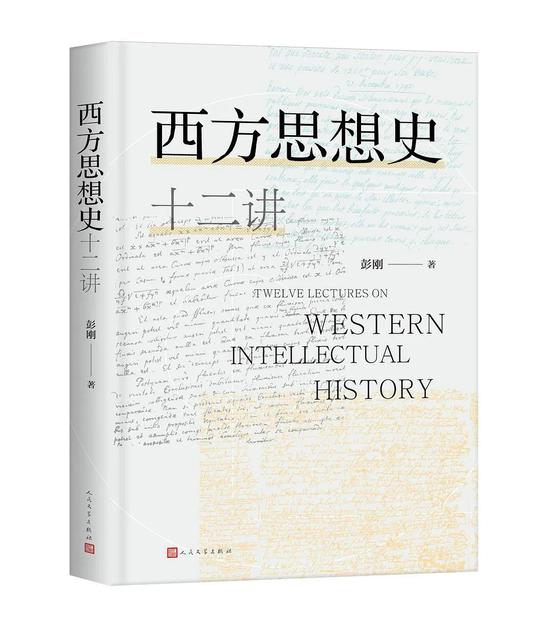
CNS: Your course on Western intellectual history is very popular among Tsinghua students, and your book Twelve Lectures on Western Intellectual History has had a significant impact on the popularization of the humanities. How do you view the significance of the intersection and integration of Eastern and Western civilizations for ordinary people?
Peng Gang: This book was actually something of a byproduct. It started when Professor Qian Yingyi, the former dean of the School of Economics and Management at Tsinghua University, asked me to teach a general education course to the students in his school. When the course was about to end for the semester, a few students came to me and wanted to give me a gift, which was a very detailed set of class notes for all 16 lectures. These notes became the basis for the book. For me, this was an unplanned book but one that brought me a lot of joy, because many parts of it remind me of the faces of the students I had taught.
Modern China's development is closely linked to the rest of the world. China's younger generation is fortunate to have grown up in a country that has moved from being well-off to being strong. In the words of President Xi Jinping, they are the generation who can view themselves as the equals of any other in the world. They are more confident about their own country and civilization, but they also need a deeper understanding of the world, including understanding Western civilization, which still holds a dominant position globally.
To maintain cultural identity, we should give prominence to Chinese culture while also drawing on other cultures. We should have the kind of mindset today more than ever before to deepen our understanding of and seek nourishment from other civilizations and cultures. On the one hand, we need to gain a deeper understanding of a diverse world that is full of differences. On the other hand, through exchange and mutual learning, we can also make our own civilization more profound and expansive.
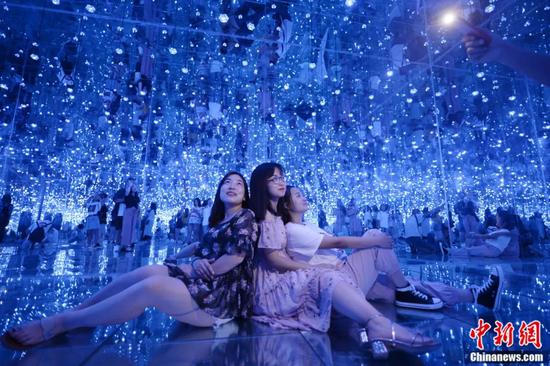
CNS: People generally recognize peace, development, equality, justice, democracy, and freedom as humanity's common values. They also recognize that each civilization that has developed over time has its own set of values. Why, then, do conflicts and even violence still exist between civilizations? Why is it so difficult for different cultures to coexist in harmony?
Peng Gang: Civilizations share similarities and commonalities, yet they are also diverse and different from one another. Because of these commonalities, understanding and communication are possible, but due to their differences and diversity, exchange and mutual learning become necessary. There is a saying in China that "Everyone has a soft heart by nature." To use Qian Zhongshu's more elegant phrasing, "The hearts and minds of peoples by the East Sea and by the West Sea are the same." In other words, different individuals and different civilizations always have commonalities, a shared human nature that transcends time and space. People can empathize and put themselves in others' shoes to understand their feelings. It's for this reason that values like peace, development, fairness, equality, democracy, and freedom have, over time, become humanity's common values.
Why then do we still see so much conflict and estrangement? I think there are two reasons, one of which is the conflict of real interests. Limited resources must be allocated among different groups, classes, and countries, which inevitably leads to many conflicts. Realistic interest considerations often hinder the realization of certain positive values. The second reason is that different cultures and societies indeed have some differences in their value systems. For example, in recent years, we've seen different attitudes and choices regarding measures taken to address the pandemic and the priority placed on values like order versus freedom, and individual rights versus public welfare.
CNS: You mentioned the need to overcome estrangement, clashes, and cultural superiority. What kinds of consensus and effort are required for the world to achieve these goals?
Peng Gang: To achieve these goals is not at all easy. The concept of "universal harmony under heaven" in Chinese culture refers to people being able to overcome estrangement by ethnicity, skin color, and culture. In Western thought, since the Enlightenment era, there has been an ideal of "world citizenship," that aims to transcend the barriers between nations and civilizations to pursue a better world of peace and justice. Such ideals have existed in different times and cultures, but the interaction and communication between civilizations can sometimes proceed smoothly, while at other times, it can become quite challenging. At times, it may seem like the entire world is about to become a global village, while at others, it appears that differences and even conflicts between civilizations are insurmountable.
I believe that the connections across the world are becoming increasingly close and, objectively, humanity has become a community with a shared future. This is an undeniable reality. When contemplating the future, we should take a broad and long-term perspective. Only by not limiting ourselves to short-term and localized considerations, but rather looking at things with a broader and longer-term vision, can we secure a better future for humanity.
CNS: People often talk about China's 5,000-year civilization, but the world still knows very little about how it influences the spiritual temperament of the Chinese people. What should be considered in the communication of Chinese civilization?
Peng Gang: Ultimately, the influence of a culture is closely connected to the overall strength of the country and its people. For instance, in 19th-century Russian novels, nobles conversed in French and the primary works of the 18th-century German philosopher Gottfried Wilhelm Leibniz were also written in French, both of which reflect France's national strength at the time. The cultural influence of the United States in the 20th century was also closely tied to the nation's strength. As its national strength grows, China is moving closer to the center of the world stage and the international influence of Chinese culture will also be gradually enhanced.
Furthermore, the enhanced influence and communication of a civilization also requires proactive efforts. In the 1930s and 1940s, the eminent Chinese scholar Qian Mu emphasized the importance of approaching Chinese history and culture with "warmth and respect." He spoke about this during a challenging period in the nation's history. Reiterating this phrase today resonates with a similar sentiment, yet the circumstances are different. Today, there are better conditions for and a greater awareness of exploring, promoting, and embracing tradition. Moreover, it is essential to present the charm and characteristics of tradition and civilization in diverse and easily accessible ways, ensuring that people not only recognize their existence but also consider their presence a positive contribution to the world. This can ignite a natural curiosity in others to learn more about a culture.
CNS: How can traditional Chinese civilization interact with other civilizations and create new synergy? What specific work should be done toward cultural exchange and mutual learning?
Peng Gang: According to the Jiubang Xinming concept of Chinese philosopher Feng Youlan, even for an established country, its future hinges on self-renewal. In todays context, it means that new vigor and vitality will be added to the profound Chinese civilization by Chinese modernization. On the one hand, the interplay and exchange of civilizations enriches the world. Human history's most creative, progressive, and dynamic moments often occur when different cultures and diverse groups engage with each other to the fullest extent. While there are ongoing power struggles in today's world that cause concern for its future, there are also, objectively, better conditions for cultural exchange and mutual learning. The revitalization of ancient traditions and modern civilization’s self-reflection both present opportunities for humanity to advance and attain a higher and better form of civilization.
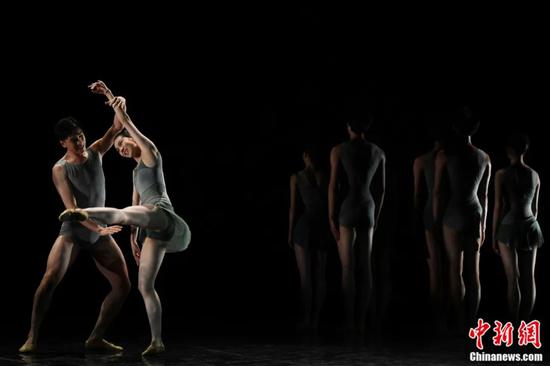
Mixing and integrating are not about losing one's identity but about becoming a better version of oneself. A remarkable personality often combines seemingly conflicting and incompatible qualities. A nation or civilization might be similar, having strong power and non-negotiable redlines, while also being friendly to the external world, which is a guarantee that makes the world a better place. This is akin to the words of Fei Xiaotong, a well-known Chinese sociologist, who stated, "One should value not only one's own culture, but also the cultures of others, which will contribute to the flourishing of all cultures."
CNS: Tsinghua University has many international students. How can we promote cultural exchange among young people and make the post-2000s generation ambassadors for cultural exchange?
Peng Gang: I believe the younger generation can approach different civilizations and cultures with a more open mind and a broader vision. They can draw nourishment from various sources, and they are more confident and capable of dealing with a rapidly changing world than ever before. In this, they should give prominence to Chinese culture. They should not let their minds and inner worlds become a mere playground for others, but truly embrace and assimilate the good from different cultures as a source of nourishment for themselves.

Our education should nurture young people to have well-rounded personalities, the ability to appreciate all aspects of life, goodwill towards the world, and a willingness to contribute to making the world a better place through their efforts. An important indicator of the quality of a university is its ability to attract the best students, not only from China but also from all over the world. In recent years, Tsinghua University has been promoting "convergence management" between international students and Chinese students, which means allowing them to live and study together. Providing more opportunities for young people from different cultural backgrounds to interact is, in itself, a crucial educational process.
About the interviewee:
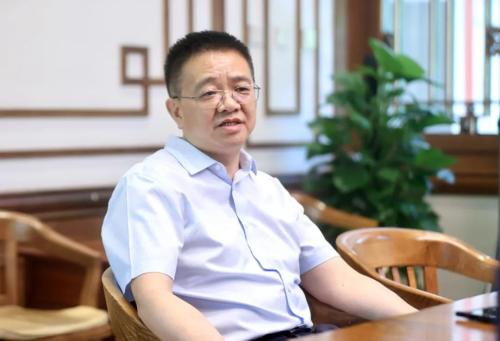
Peng Gang serves as Vice President and Provost at Tsinghua University. He is a professor in the Department of History at the School of Humanities, specializing in the study and teaching of Western intellectual history and historical theory. In addition, Peng Gang has authored works such as The Narrative Turn: Recent Development in Contemporary Western Historical Theories and Twelve Lectures on Western Intellectual History. He has also translated books including Natural Right and History, The German Conception of History, and The New History: Confessions and Conversations.




























 京公网安备 11010202009201号