


(ECNS) -- More than a year after the United States imposed reciprocal tariffs on Chinese goods, many multinational companies that shifted production to Southeast Asia are moving parts of their supply chains back to China, underscoring the country's enduring manufacturing advantages.
A report by The New York Times cited Alliance Consumer Group (ACG), a Texas‑based flashlight maker, which invested heavily in factories in Thailand and Vietnam after the 2025 tariff hikes. The company found China's manufacturing ecosystem difficult to replace, with flashlights from Chinese producers sometimes priced lower than ACG's shipping costs from Southeast Asia.

ACG COO Phil Laster said the experience highlights a broader challenge: while production can be relocated, China's integrated industrial ecosystem remains difficult to replicate.
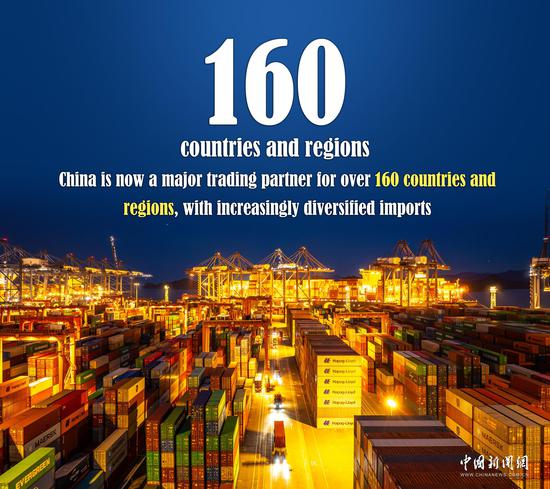
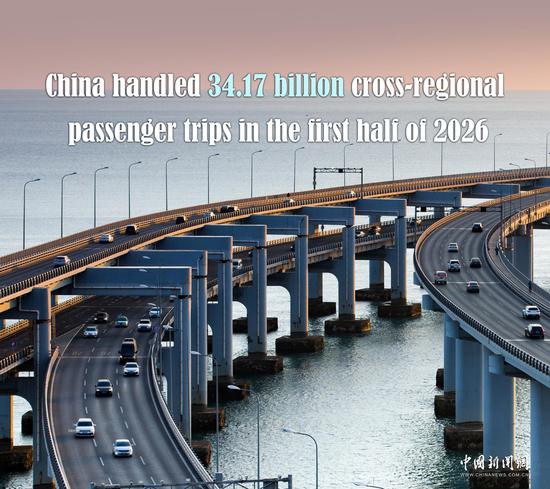
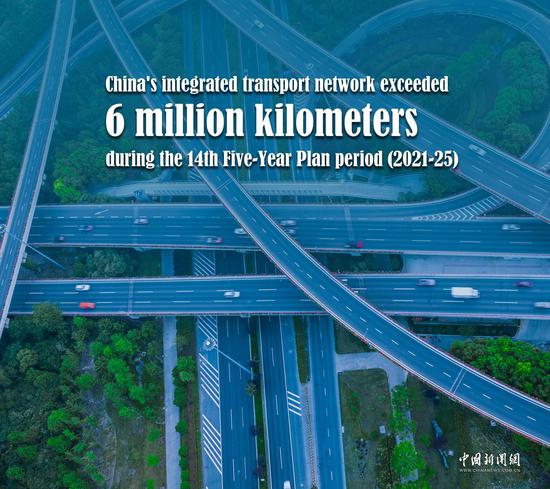
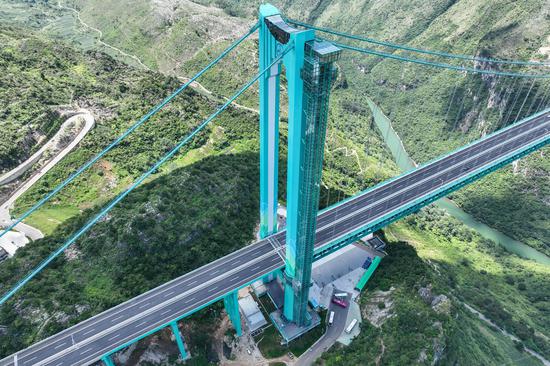
China's strengths include its comprehensive supply chain, world‑class infrastructure and efficient logistics.
In Xidian Town, Zhejiang Province, about 60% of the world's flashlights are produced, supported by nearby Ningbo‑Zhoushan Port.
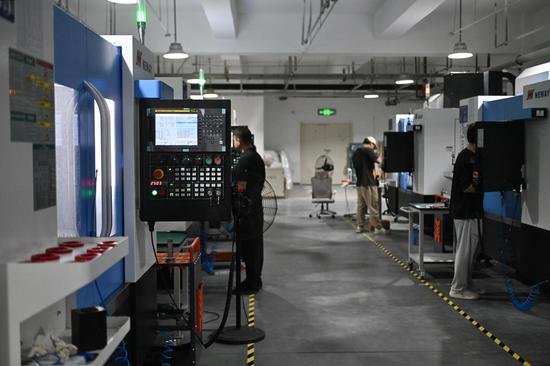
China is also the only country with all industrial categories listed in the UN system, leading production in more than 220 of over 500 major industrial products.
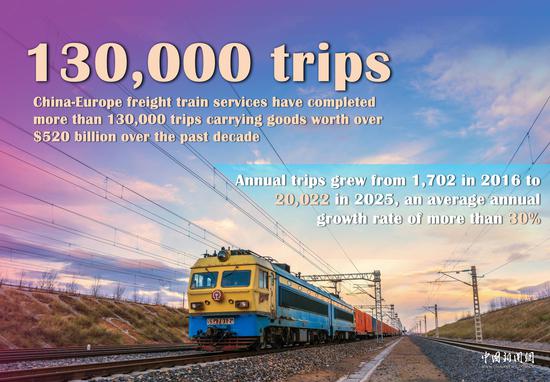
Infrastructure plays a critical role. According to data from the Ministry of Transport of China, the country hosts eight of the world's top 10 busiest ports by cargo throughput, supported by China‑Europe freight trains and multimodal transport.
ACG found costs 12% to 15% higher leaving Southeast Asian ports compared with China, due to weaker supply chains and logistics.
China's efficient business environment has also drawn praise.
In June, the Sino-Saudi Gulei Ethylene Complex Project in Fujian Province, a large single ethylene production facility by capacity, completed a major construction milestone. Faisal Al-Faqeer, Chief Executive Officer of Saudi Basic Industries Corporation (SABIC), lauded streamlined approvals and project management during construction of the Sino‑Saudi Gulei Ethylene Complex.
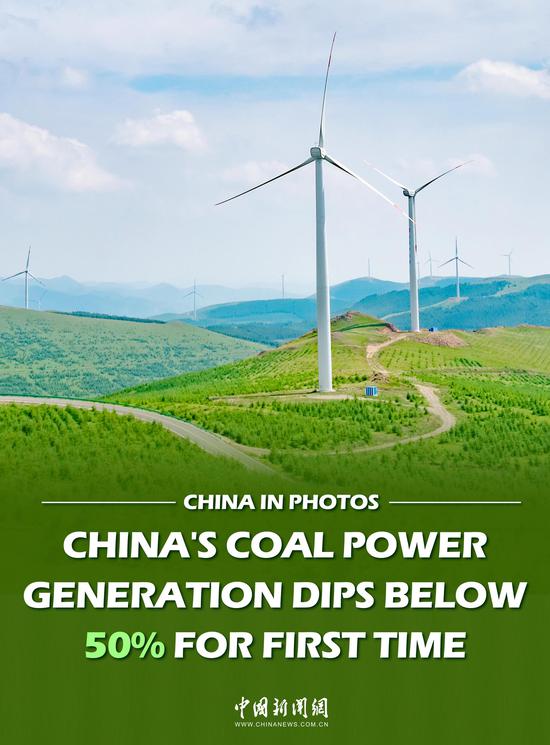
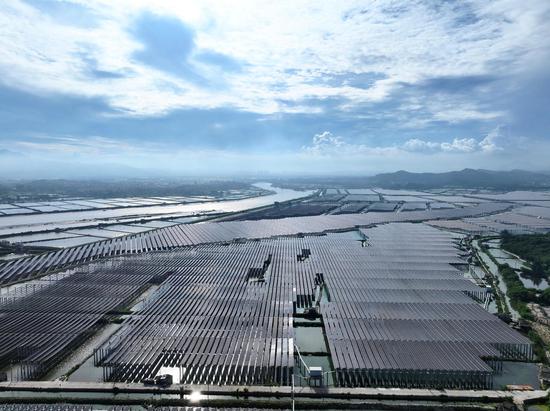
Stable electricity supply further strengthens competitiveness, especially as fuel shortages in Southeast Asia have pressured factories.
Investment data reflects the trend. In 2025, newly established foreign‑invested enterprises in China rose 19.1% year‑on‑year. In the first half of 2026, nearly 4,800 foreign‑invested companies expanded investment.
For multinationals, while production can shift, China's integrated ecosystem — combining complete industrial chains, infrastructure and logistics — remains unmatched.
(By Gong Weiwei)































 京公网安备 11010202009201号