



Thailand is gearing up to celebrate Chinese New Year with a variety of cultural festivities planned nationwide to mark the Year of the Horse and the 51st anniversary of Thailand-China diplomatic ties, the Tourism Authority of Thailand, or TAT, announced.
Launched on Thursday in Bangkok, TAT's "Amazing Thailand Happy Chinese New Year 2026" initiative aims to generate $1.33 billion in tourism revenue.
Featuring flagship events in Bangkok and Hat Yai — plus celebrations in Nakhon Sawan and Suphan Buri provinces — the campaign seeks to cement Thailand's reputation as a leading destination for Chinese New Year festivities outside China.
During the peak Spring Festival travel period from Feb 13 to 22, Thailand is set to welcome about 1.25 million international visitors, a 10 percent year-on-year increase, along with 2.3 million domestic trips, up 3 percent from last year.
The total tourism revenue during this period is expected to rise 13 percent from the same time last year.
"This campaign underscores over two decades of close collaboration between Thailand and China's tourism authorities while celebrating the shared cultural heritage that drives sustainable travel and fosters long-term tourism growth," said TAT Governor Thapanee Kiatphaibool.
In Bangkok, TAT will host the new year event supported by the Chinese embassy among others.
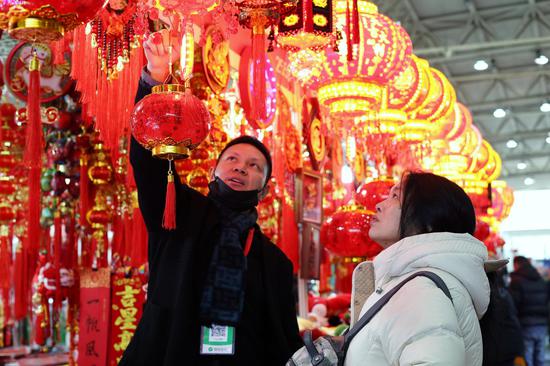
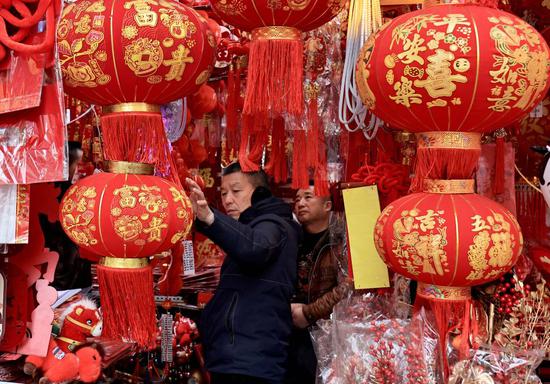
Highlights include dazzling lantern displays, performances by four troupes from Beijing and Chongqing municipalities, and Henan and Fujian provinces, as well as traditional crafts, such as lantern-making, Chinese calligraphy, paper-cutting, and astrology.
Bangkok's Chinatown on Yaowarat Road will shine brightly under large-scale festive illuminations themed "Ride the Fortune, Share the Future", creating a lively nighttime ambience from Feb 7 to March 1.
Various performances
Celebrations along Saneha Nusorn Road in Hat Yai, Songkhla Province, from Feb 17 to 20 will feature captivating performances, such as lion dances and acrobatics from Fujian province, solidifying the city near the Malaysian border as a vital tourism hub in Southern Thailand for both regional and cross-border travelers.
"China and Thailand's joint efforts in organizing Chinese New Year festivities have long strengthened cultural exchange," said Yang Xiaolong, cultural counselor at the Chinese embassy.
"This year's events highlight diverse regional talents from China, including martial arts, choral performances, and acrobatics, allowing tourists to immerse themselves in the richness of Chinese art and culture," Yang said.
To ensure tourist safety and enhance their experience, the Thai Tourist Police Bureau will provide language support services at major destinations, including Phuket, Chiang Mai, and Hat Yai.
Additionally, special service vans will be stationed to assist visitors, said Krit Warit, the bureau's deputy commissioner.
By executing its "Thailand Tourism Next" strategy, TAT aims to generate 3 trillion baht ($95 billion) in total tourism revenue in 2026, up from 2.7 trillion baht last year.
Focused on transitioning from quantity-driven growth to quality-driven experiences, TAT's approach highlights premium offerings such as health tourism, nocturnal attractions, film tourism, and sports-related travel.
Sustainable tourism models and integrated online platforms will further enhance Thailand's ambition to offer seamless, memorable travel experiences for all.





































 京公网安备 11010202009201号