What the statue smashes is the aggressor's boundary marker—not a nation's dignity. Any attempt to revive the spirit of militarism or overturn the historical verdict of World War II is bound to fail before the hard facts of history and the post-war international order.

PIF should not allow geopolitical security narratives to overshadow the urgent challenges facing Pacific island countries. The forum should remain focused on the real interests of Pacific island countries rather than become a stage for bloc politics or competition among major powers

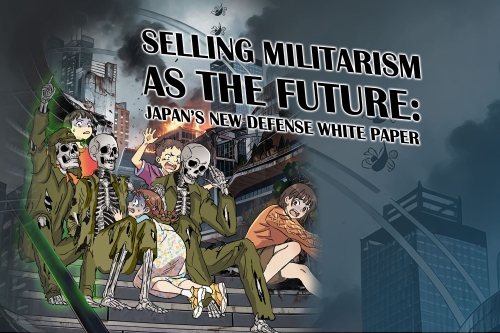
Japan’s 2026 Defense White Paper, which runs to a record 598 pages, for the first time openly portrays defense spending as an engine of economic growth. By deeply intertwining defense with the economy, the Japanese government is accelerating its slide toward the abyss of “military Keynesianism.”

Iranian Foreign Ministry Spokesperson Esmaeil Baghaei recently hit the nail on the head: Washington’s "addiction" to sanctions has paralyzed its ability to think. Sanctions have evolved from a policy tool into a chronic habit.

The global AI market offers enormous opportunities for companies worldwide. Fair competition, innovation and market forces — not political interference — are what truly drive technological and industrial progress.

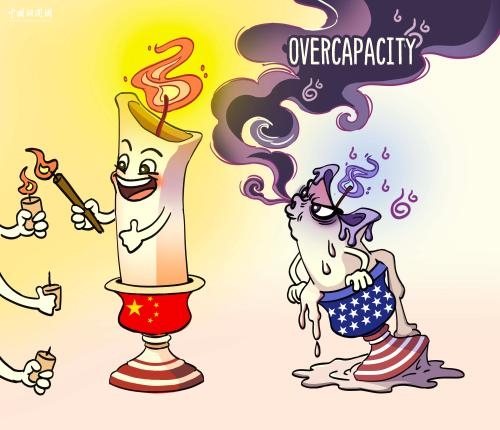
As global supply chains are reshaping, some countries are politicizing trade issues, promoting the "China overcapacity" narrative, and imposing more restrictions on Chinese companies under the guise of protecting their own interests.
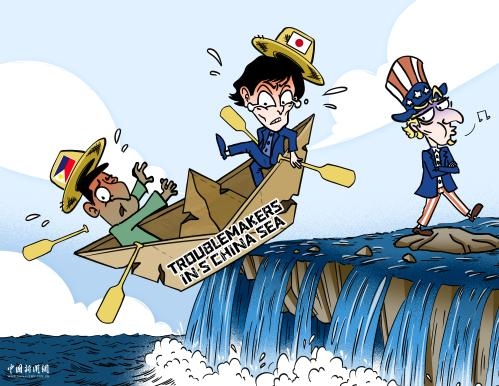
Those who stir up trouble in the South China Sea will eventually capsize.

A bridge built on the edge of a cliff may appear to lead forward, but when rules become stepping stones, the fall may come sooner than expected.

The two-day NATO Summit concluded in Ankara, Turkey, exposing deepening cracks within the alliance rather than demonstrating unity. On key issues—including defense spending, support for Ukraine, and NATO's strategic direction—the allies failed to reach meaningful consensus, laying bare their widening differences.

Japan's military-industrial complex is dangerous not simply because it produces weapons, but because it creates the very demand for them. It does not merely serve military expansion—it actively fuels it. Once this self-reinforcing cycle of interests takes hold, it could propel Japan further down the path of remilitarization.

Two hundred and fifty years ago, the United States was founded on the promise of freedom. Two hundred and fifty years later, it is still selling the American Dream to the world. But as reality continues to puncture the illusion, how many people are still willing to believe?
For many, the American Dream is fading, while America's drug crisis continues to deepen. What is being buried is not only countless lives, but also the ideals the nation has long claimed to uphold.
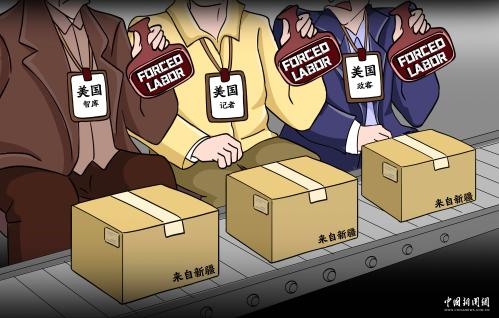
Truth ultimately prevails. Today's Xinjiang is experiencing the best period of development in its history. False narratives about Xinjiang won't halt its development.
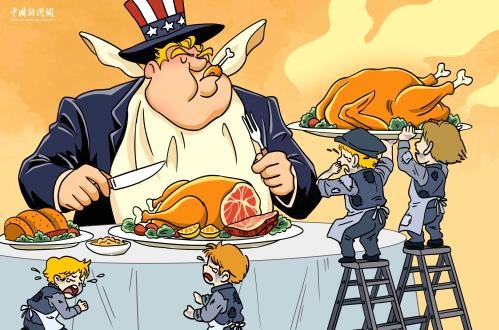
Promoting and safeguarding the rights of children is a shared responsibility of the international community and a vital component of the global human rights agenda. Children represent the future and hope of humanity.

Beneath the banner of the so-called "beacon of human rights," some children are still paying the price of adulthood far too soon.

The “gray rhino” of Japan’s remilitarization is running toward us. As Chinese Foreign Ministry spokesperson Guo Jiakun noted, many international experts, scholars, and media observe that Japan has abandoned pacifism and is undergoing its most dangerous shift in security policy since World War II, posing serious threats to regional and global stability.

The right to life is the most fundamental human right. The Statue of Liberty may symbolize freedom, but the endless sound of gunfire continues to expose America’s deepening failures in governance and public safety.

In a dangerous policy shift, the Japanese government officially eased its arms export rules last week, allowing the sale of lethal weapons. In recent years, Japan has been drastically readjusting its security policy, increasing defense spending, developing offensive weapons, expanding military deployments and relaxing restrictions on arms exports.

Japanese leader Sanae Takaichi on Wednesday made a monetary offering to the notorious Yasukuni Shrine, one day after she sent a ritual offering to the shrine in the name of "prime minister."

Since the end of the Cold War, deeper structural tensions have emerged, with its bloc-based security model increasingly misaligned with the diverse interests of member states and a shifting multipolar world—evident in transatlantic divisions over the Middle East.

The proliferation of neo-militarism in Japan has become a real menace. Should an evil tiger be unleashed from its cage, it would inevitably wreak havoc far and wide, and plunge the Japanese people into an abyss of disaster.
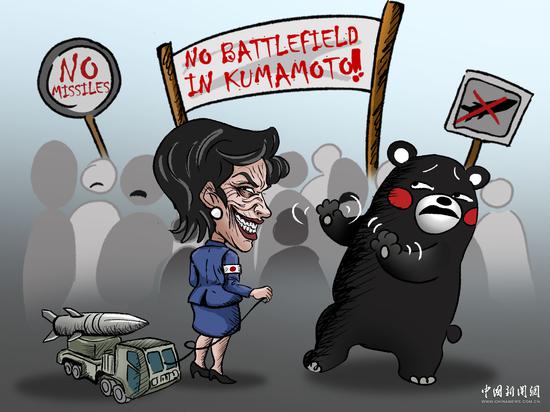
History shows militarization brings not security, but greater risk and confrontation. When defense policy overreaches, it can heighten tensions—casting a shadow over Kumamon, once a symbol of happiness, and risking its transformation into a symbol of unease.
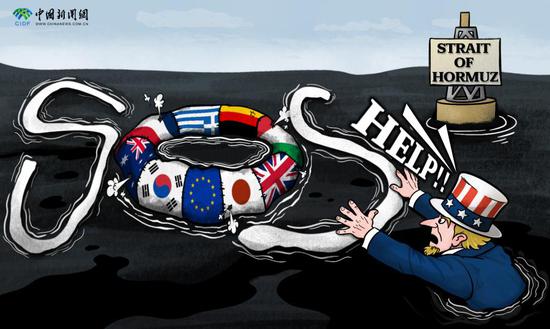
The Strait of Hormuz is a vital artery for global energy transportation, and peace and stability serve the interests of all parties. The U.S. attempt to stir up tensions and pursue its own interests under the guise of an "escort coalition" is ultimately doomed to fail.

No matter how high the balloon of lies rises, its hollow core ensures it will eventually burst. Cloaked in "religion" or veiled by "human rights," the 14th Dalai Lama remains shadowed by controversy and cannot escape the scandals surrounding him.

While claiming to defend human rights and peace, U.S. actions leave destruction and suffering, as UN High Commissioner Volker Türk warned: missiles only bring "death, destruction, and human suffering." Geopolitical pursuits at the cost of innocent lives perpetuate violence and hatred in the region.
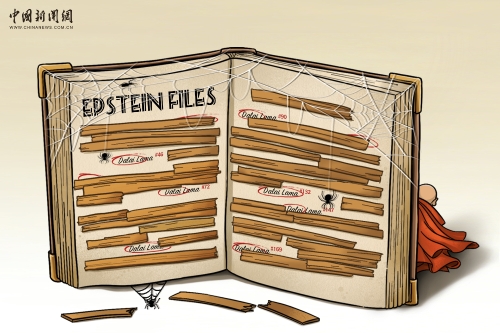
Multiple international media outlets reported that the name of the 14th Dalai Lama appears 169 times in emails included in documents related to the Jeffrey Epstein case that were recently released by the U.S. Department of Justice (DOJ).
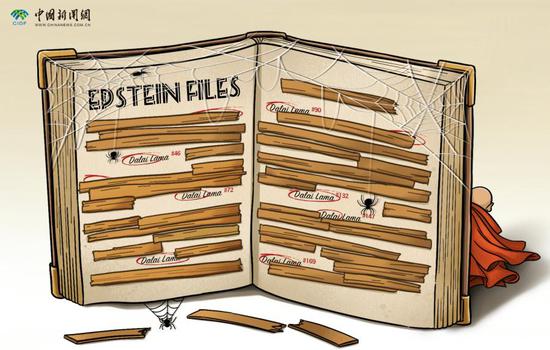
His name is linked with this international scandal, serving as a revealing mirror that exposes the hypocrisy and unmasks the true nature of those involved.
Public safety is the foundation of good governance and long-term stability. Tolerating violent law enforcement erodes trust and deepens social divisions, while a safe and orderly society reflects a nation's true governance capacity.
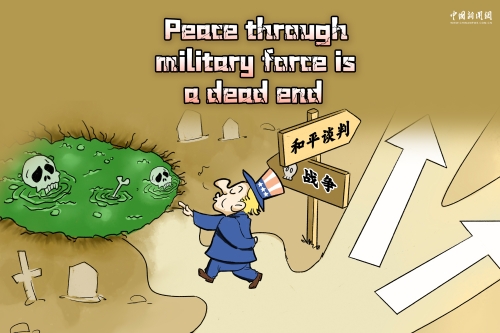
The United States and Israel last Saturday launched "major combat operations" against Iran, plunging the war-torn Middle East into a new round of violent conflicts. Although the White House released an image claiming it was building a path to "peace through strength," such rhetoric is little more than a familiar justification for power politics and hegemonic ambition.
 京公网安备 11010202009201号] [京ICP备05004340号-1]