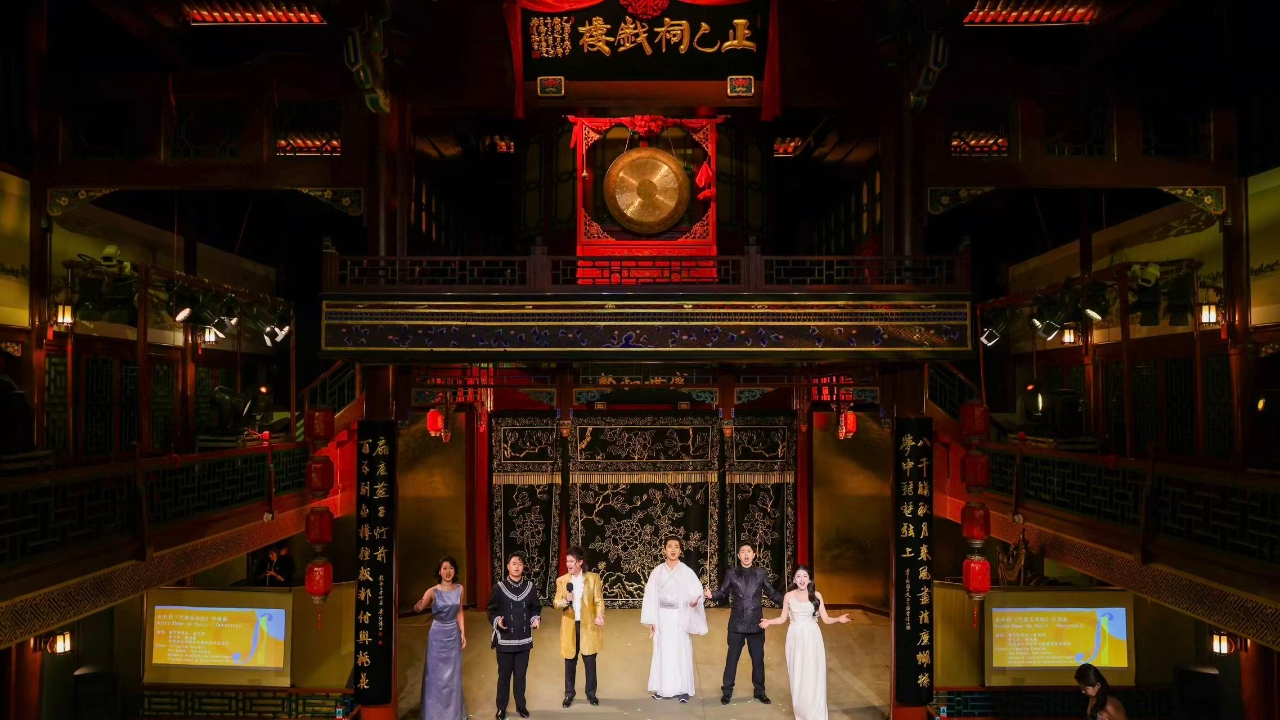
"Chinamaxxing," a social media buzzword describing immersion in all things Chinese, is reshaping inbound tourism as more international visitors move beyond sightseeing to embrace culture, technology and daily life.
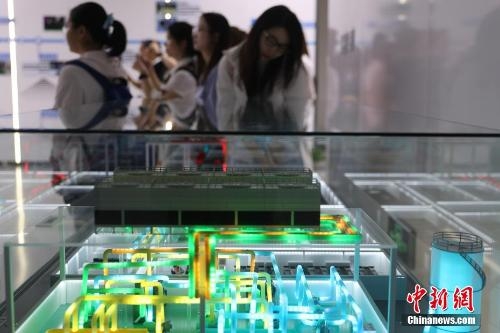

For decades, Japanese automakers set the global benchmark for quality and efficiency, but that edge is eroding amid the global shift to electrification and smart mobility. Chinese carmakers are now rising rapidly, increasingly shaping the direction of the global automotive industry.

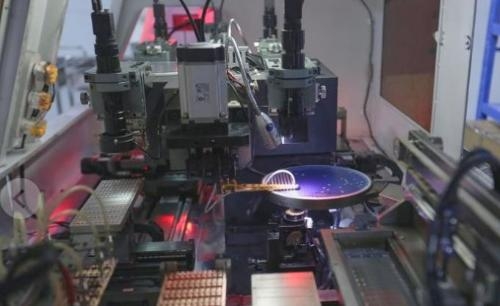
When Huawei unveiled its "Tau Scaling Law" on Monday, a new principle aimed at guiding the future development of the semiconductor industry, the announcement signaled a shift in the global chip race: the growing search for a path beyond Moore's Law.

The Pinglu Canal in Qinzhou, south China's Guangxi Zhuang Autonomous Region will open a new transport corridor connecting western China directly to Southeast Asia.

After months of negotiations, FIFA and China Media Group (CMG) have reportedly reached an agreement on broadcasting rights for the 2026 FIFA World Cup, with the final deal said to be significantly lower than FIFA's initial asking price.
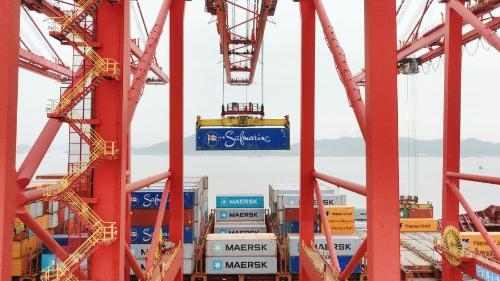
China's energy storage sector is seeing explosive overseas demand amid mounting global energy uncertainty, positioning the country as a key provider of stability.

The U.S.-Israeli war on Iran is hitting ordinary Americans in their wallets, with rising gasoline prices, more expensive food, higher mortgage rates, and a surge in fertilizer costs.

Chinese automakers sold nearly 27 million vehicles worldwide in 2025, surpassing Japan to claim the world's No. 1 position for the first time, according to a report by Japanese media outlet Nikkei.

More than a month after U.S. and Israeli strikes on Iran, the economic fallout is reaching American fast-food chains, where rising energy and commodity costs are squeezing margins and weakening consumer demand.
 京公网安备 11010202009201号] [京ICP备05004340号-1]