

Ancient camel stop Moshikou boasts cultural-tourism vitality
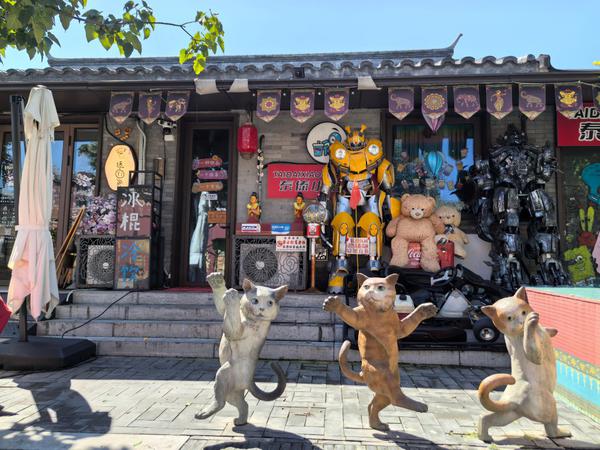 Moshikou Historical and Cultural Block is seen in Beijing on September 1, 2025. /CGTN
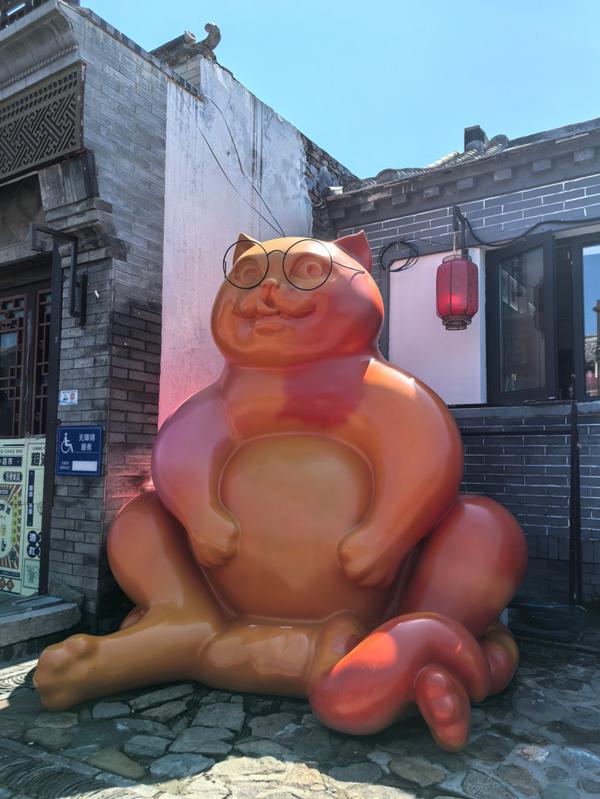 Moshikou Historical and Cultural Block is seen in Beijing on September 1, 2025. /CGTN
Beijing's Moshikou Historical and Cultural Block, a 2,000-year-old hub with deep ties to trade and literature, has been revitalized through urban renewal to blend history, modernity and tourism appeal.
Tracing roots to the Western Zhou Dynasty, it thrived in the Ming-Qing dynasties (1368-1911) as a key stop on the "Camel Bell Ancient Road," with inns and wine shops serving camel caravans– a legacy immortalized in the classic novel "Camel Xiangzi," also known as "Rickshaw Boy," by renowned novelist Lao She.
Now, as a national-level tourism and leisure block in China, it preserves treasures like Chengen Temple and Fahai Temple, while using digital tech to revitalize intangible cultural heritage and ancient architecture.
Its "tradition + trend" mix transforms old courtyards into heritage museums, homestays, trendy eateries, boutiques and cross-border spaces like the Hungarian Wine and Tourism Cultural Experience Center. Having welcomed over 6 million visitors in 2024, it balances local charm with contemporary flair.
Regular events – from Camel Xiangzi-themed activities to music carnivals and heritage markets – keep it vibrant. Moshikou's "protection + revitalization" model turns the ancient camel stop into a dynamic landmark, setting an example for historical block sustainability.