
Japanese cultural events in China canceled after Takaichi's remarks
(ECNS) — Several Japan-related cultural and entertainment events scheduled in the Chinese mainland have been canceled or postponed in recent days as public anger grows over comments made by Japanese Prime Minister Sanae Takaichi, which many in China called provocative.
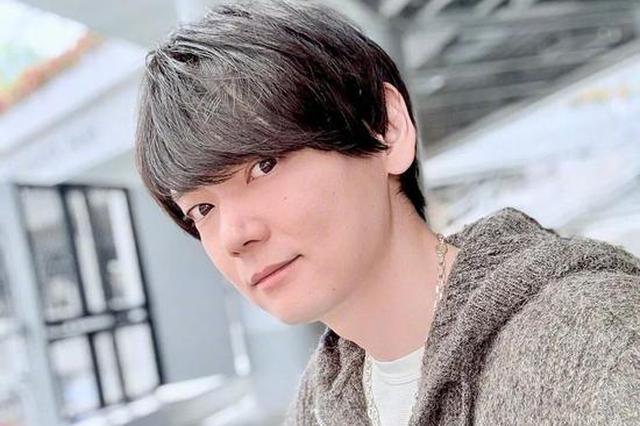
Japanese actor Yuki Furukawa announced on China's social media platform Weibo that his fan meeting originally planned for Dec. 6 in Shanghai had been canceled due to "unavoidable reasons." He apologized to fans and said he hoped to meet them at future events.
On the evening of Nov. 17, QQ Music stated on social media that the JO1 Fan Party slated for Guangzhou would also be canceled "due to force majeure."
According to the official WeChat account of the Shanghai International Comedy Festival, the Yoshimoto Comedy Special — scheduled for Nov. 20–22, at the Lyceum Theatre — has also been canceled for similar reasons.
"Yoshimoto Shinkigeki," a well-known form of Japanese stage comedy, is produced by Yoshimoto Kogyo, one of Japan's largest and oldest entertainment companies.
In addition, multiple Japanese performers — including Takashi Takashio, Yoshio Suzuki, Mari Nakamoto and KOKIA — have recently canceled or postponed performances in China.
The WeChat account of China Film Report stated that several Japanese films, including Crayon Shin-chan the Movie: Super Hot! Scorching Kasukabe Dancers and Cells at Work! will postpone their planned releases in China. The adjustment was described as "a prudent decision based on market performance and audience sentiment concerning Japanese imports." Some cinemas that had already opened presales have begun processing refunds, according to Jimu News. It remains unclear when the affected films may be rescheduled.
The developments come as public criticism in China surged over Japanese Prime Minister Sanae Takaichi's recent remarks, which have even drawn dissatisfaction from within Japan.
Japanese actor Keiji Takamine, known for his role as Seiji Hokuto in the classic tokusatsu series Ultraman Ace, questioned Takaichi's comments, asking, "I don't understand what good could come from going to war with China. I believe the key to peace is striving to get along with one another."
Japanese singer Miyii Rema, who previously gained popularity in China through variety show appearances, also expressed her stance online, stating she "will always support the one-China principle."
On Nov. 18, Japanese actor Koji Yano, who has lived and worked in China for 25 years, wrote that China has given him "career, friendship and the meaning of life," describing the country as not only his second home but also the place that helped him rediscover the meaning of the term. He reaffirmed his long-standing support for the one-China principle and expressed gratitude to the Chinese people.
(By Evelyn)