
Ukraine talks stall amid widening tensions, mounting energy pressures in Europe
Ukraine peace talks have stalled amid unresolved differences, even as Russia keeps channels open with the United States.
Meanwhile, Western support for Kyiv grows and energy tensions across Europe deepen, underscoring how the conflict is increasingly spilling over into broader geopolitical and economic arenas.
Russian Deputy Foreign Minister Mikhail Galuzin, a member of Moscow's negotiating team, said on Wednesday that talks had been suspended. Kremlin aide Yuri Ushakov confirmed that trilateral engagement is on hold due to persistent disagreements and dismissed reports suggesting any agreement had been reached. According to Ushakov, no draft deal has been prepared or discussed with the Russian side.
Despite the pause, Moscow signaled it is not closing the door to diplomacy. Kremlin spokesperson Dmitry Peskov said Russia continues to engage with the United States and sees Washington as a key intermediary in any future settlement, while stressing that any outcome must reflect Russia's interests. Key sticking points, including security guarantees, territorial issues and the sequencing of concessions, remain unresolved.
The latest developments follow talks between US and Ukrainian delegations in Florida from March 21 to 22. US Special Envoy Steve Witkoff said discussions focused on building a long-term security framework for Ukraine as well as humanitarian issues. However, Russia's absence from those talks highlights the lack of a unified negotiating track.
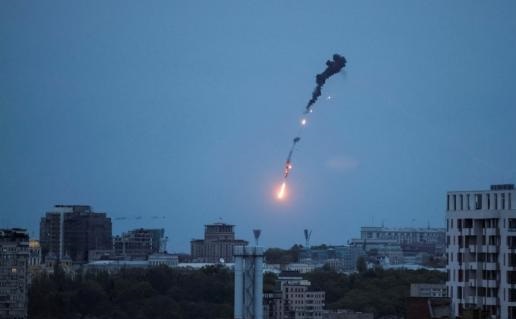
Fighting on the ground has continued alongside the diplomatic stalemate. Russia's Defense Ministry said its air defense systems shot down 91 Ukrainian drones across nine regions within seven hours on Wednesday, including areas such as Belgorod, Kursk and the Moscow region.
Beyond the battlefield, the conflict is also widening in scope. Russia warned of retaliation after reports that Japan may deepen cooperation with NATO-backed mechanisms supporting Ukraine.
Foreign Ministry spokesperson Maria Zakharova said on Wednesday that any move by Tokyo to supply lethal weapons would be treated as a hostile act. Japanese media reported that Tokyo is considering joining the PURL initiative, a US-NATO program launched in 2025 to accelerate the delivery of critical equipment to Ukraine.
In Europe, the crisis is also exposing deepening strains in the region's energy landscape. Hungarian Prime Minister Viktor Orban said on Wednesday that Hungary will gradually halt gas supplies to Ukraine, citing Kyiv's continued blockage of oil deliveries via the Druzhba pipeline.
Orban said that Hungary would retain gas volumes domestically and increase storage levels to safeguard its own energy security.
The move marks a further escalation in a weeks-long dispute over energy transit in the region. Oil flows through the Druzhba pipeline, which carries Russian crude oil to Hungary and Slovakia via Ukraine, have halted since late January. Hungary has suspended exports of refined fuels such as diesel and gasoline to Ukraine and vetoed a proposed 90-billion-euro (about $104.23 billion) EU financial support package for Kyiv.
The broader energy pressure is being felt across the European Union. Speaking at the European Parliament, European Council President Antonio Costa said the combined impact of the Ukraine crisis and tensions in the Middle East – particularly around the Strait of Hormuz – has driven up energy costs and exposed structural vulnerabilities. He called for greater strategic autonomy, urging the bloc to reduce external dependencies in key industries and accelerate industrial policy and energy transition efforts.