中国的乐迷们似乎很早便习惯了给明星起昵称的游戏.
Chinese music fans seem to have got into the nickname game early.
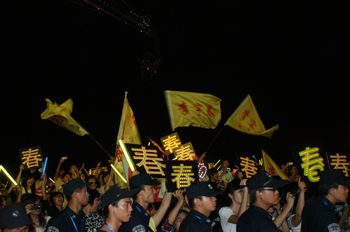
2005年"超级女声"歌唱比赛时,观众席中的粉丝们高举自己亲手制作、写有喜爱选手昵称的牌子.比如,"盒饭"是何洁粉丝团的昵称,李宇春的粉丝团则叫"玉米".
During Supergirl singing contest in 2005,Fans in the audience held home-made boards with nicknames they made up for their favorite contestants. For example, hefan (packed food) for He Jie fans, yumi (corn) for Li Yuchun fans.
从那时起,在各式各样的选秀节目上,粉丝昵称的风潮愈演愈烈.然而,这种现象似乎并非社交网络兴起的产物.自始至终,都是粉丝们的自发行为:他们成立粉丝基地,显然这需要给自己起一个讨人喜欢的名字.
And from then on, the trend kept going on, mostly in various talent shows. However, the phenomenon doesn't seem to be the result of the emergence of social networks–fans were spontaneous the whole time: they formed fan bases and apparently needed cute names for them.
就像尼娜•贝克哈德(编者注:全球知名的品牌命名专家)说的那样,歌手可以利用这种"针对昵称的消遣行为"从而打造出自己的个人品牌或者形象,比如Lady Gaga便充分利用了自己粉丝的昵称——"小怪物".
Nina Beckhardt mentioned, singers could use this kind of "namescape" and develop a personal brand, or an image, like what Lady Gaga has done with "Little Monsters"
其实,"昵称现象"可以走得更远.对于明星和他们的团队而言,这是个有益无害、值得深思的问题.
The nickname phenomenon can actually go further here. And it doesn't hurt for Chinese singers and their teams to think about.
词语解释:
昵称 (nìchēng) nickname
风潮 (fēngcháo) trend
愈演愈烈 (yù yǎn yù liè) become increasingly intense
(Source: myechinese.com)

Copyright ©1999-2011 Chinanews.com. All rights reserved.
Reproduction in whole or in part without permission is prohibited.