






May 19 marks China Tourism Day. The date was chosen to commemorate the day when Chinese explorer and geologist Xu Xiake (1587-1641) started his 30-year-long journey around China.
Xu began writing his travel book Travel Notes of Xu Xiake in Ninghai County, east China's Zhejiang Province on May 19, 1613. The first spot he visited was Tiantai Mountain whose magnificent scenery was well recorded in his book.
Today, many of the places reviewed by Xu on his route have become popular tourist attractions, but more are little known. Follow Xu’s footsteps and explore the amazing China.
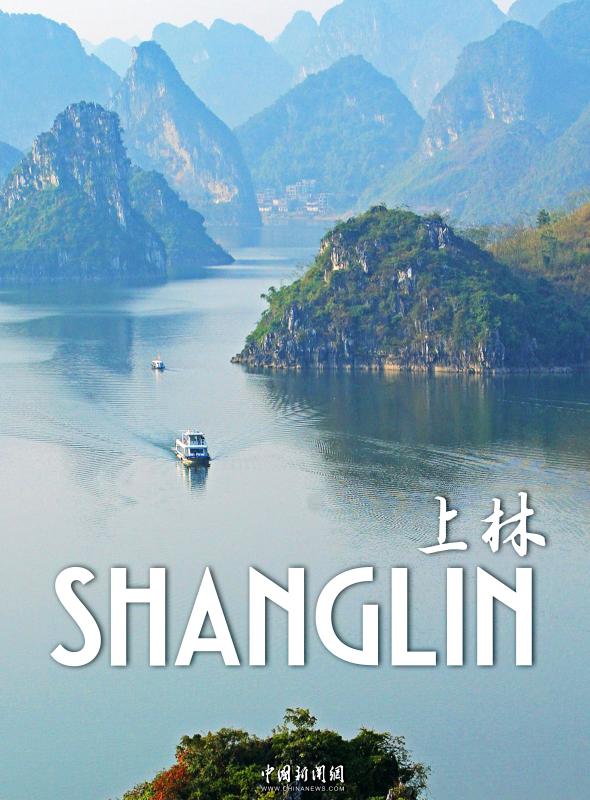
Xu Xiake stayed here for 54 days, and wrote it in his travel book Travel Notes of Xu Xiake.

Xu Xiake visited the Sheshan area in Shanghai's Songjiang District five times during his travels from 1624 to 1636.

Dali, a tourist city in southwest China's Yunnan Province, is known for its stunning landscapes and inclusive cultural atmosphere.

Xu Xiake visited Mount Hengshan in Datong in 1633.
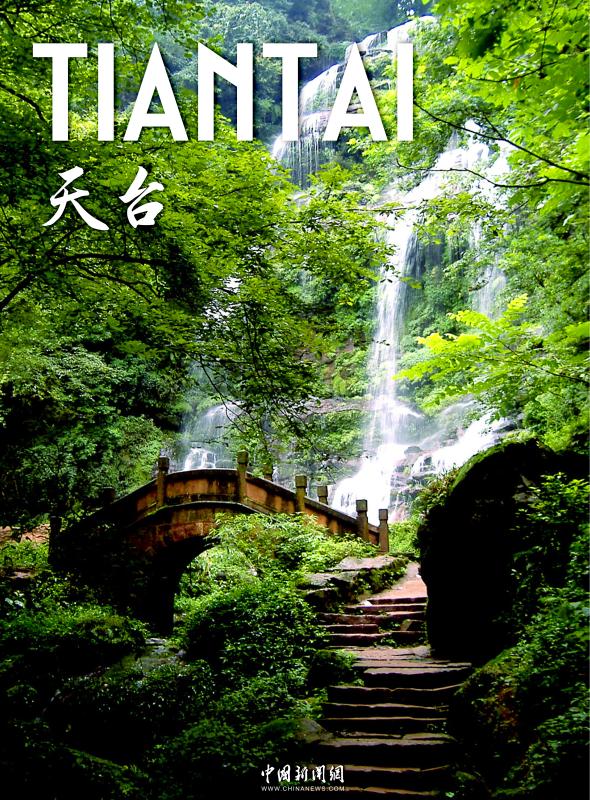
On the same day 411 years ago, Xu Xiake departed from Ninghai towards the Tiantai Mountain in Tiantai County of Zhejiang, beginning his 30 years of travel through the country and the writing of his masterpiece Travel Notes of Xu Xiake.
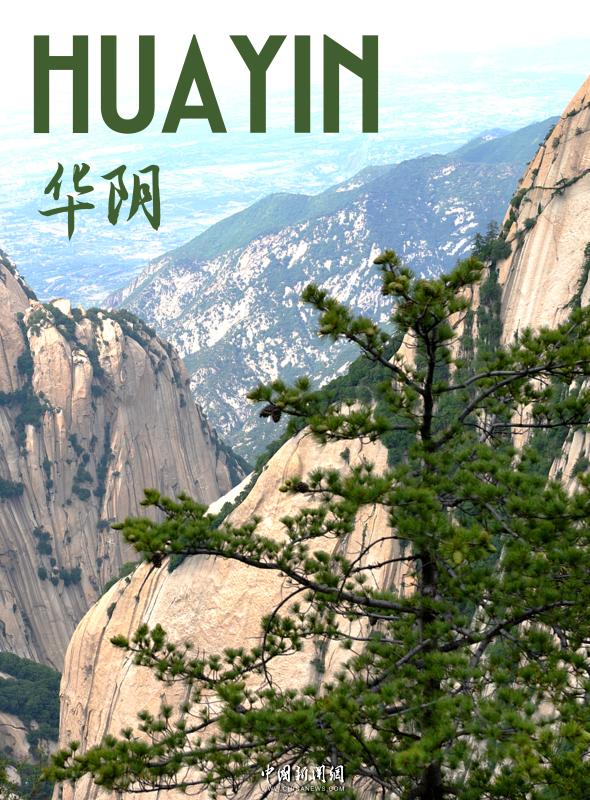
Mount Huashan in Huayin, northwest China's Shaanxi Province, is one of China's five most famous scenic mountains and is known for its steep and perilous peaks.
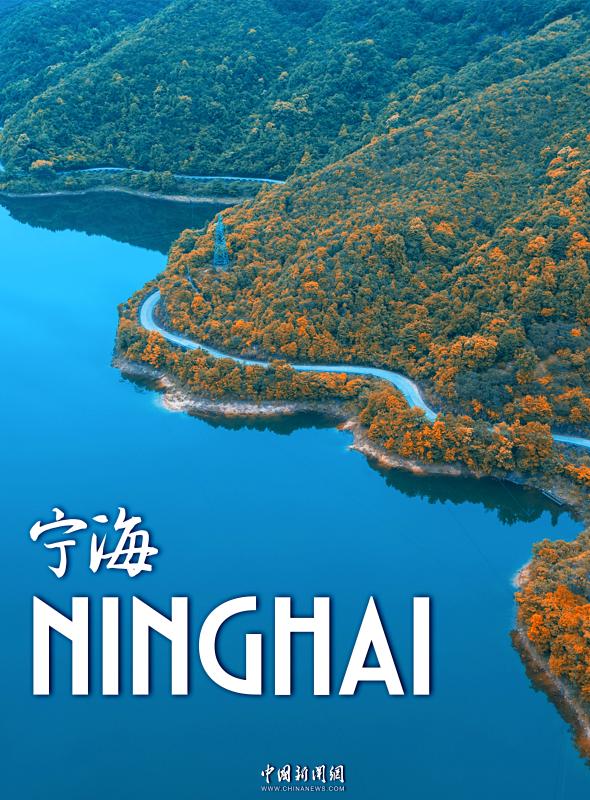
Ninghai is the place where Xu Xiake started his 30 years of traveling on the same day 411 years ago.
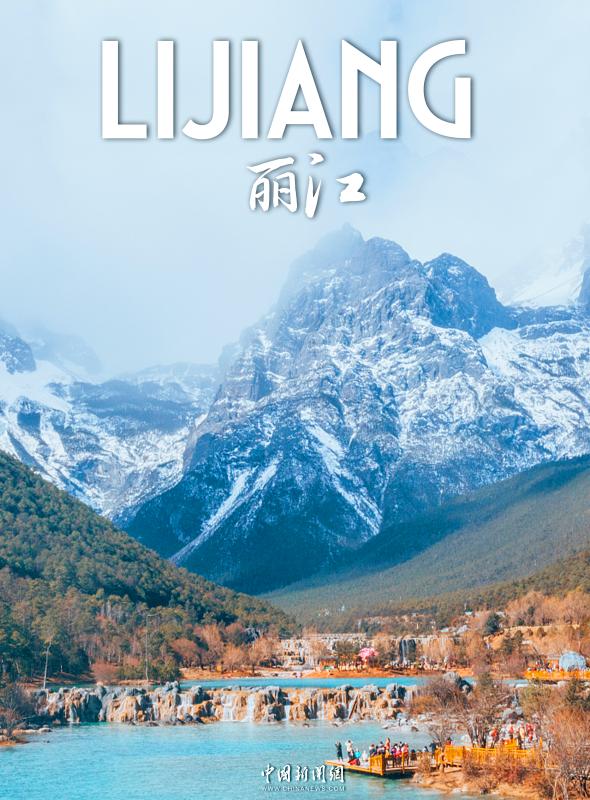
Lijiang ancient town was listed as a world cultural heritage site by the UNESCO in 1997.
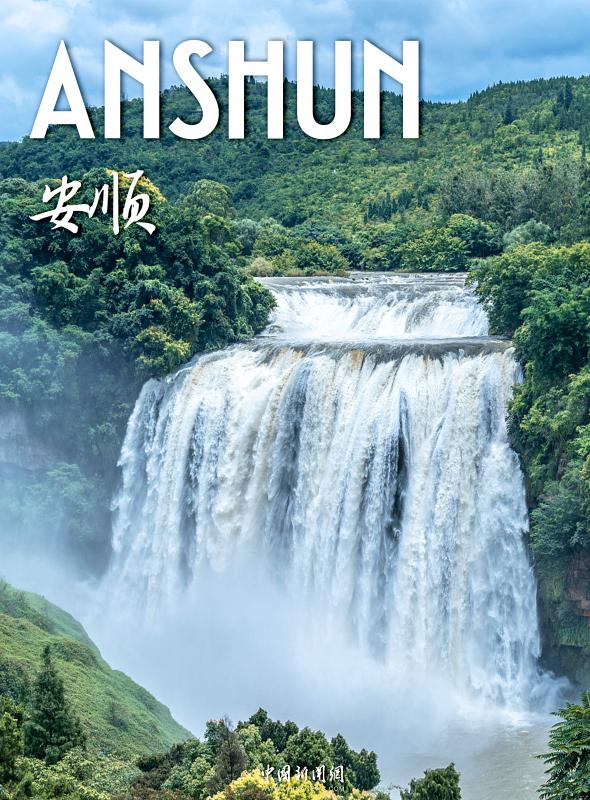
Huangguoshu Waterfall in Anshun, southwest China's Guizhou Province, is the third largest waterfall in the world.
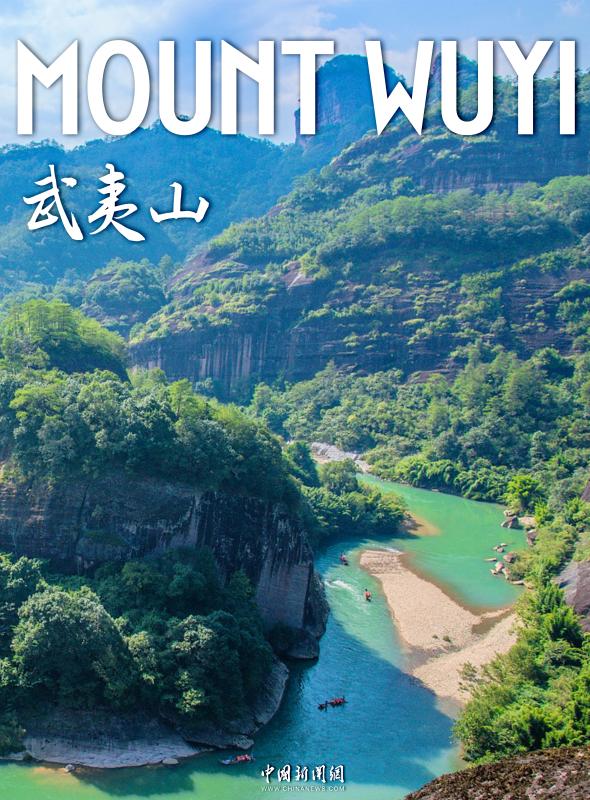
Mount Wuyi, a famous summer resort in southeast China's Fujian, is widely known as one of the most outstanding subtropical forests in the world.
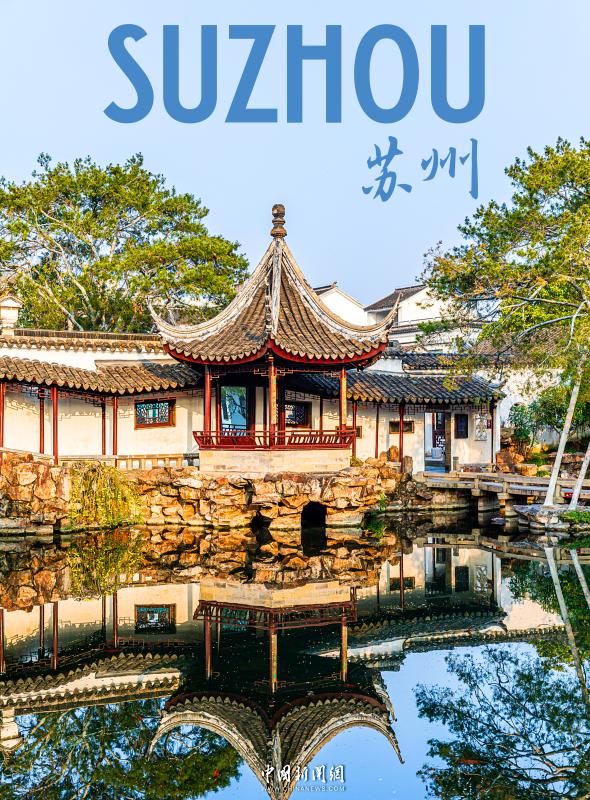
In Suzhou, Jiangsu Province, history comes alive in every old building and winding alleyway, attracting a media buzz surrounding its success in preserving and utilizing its ancient charm.
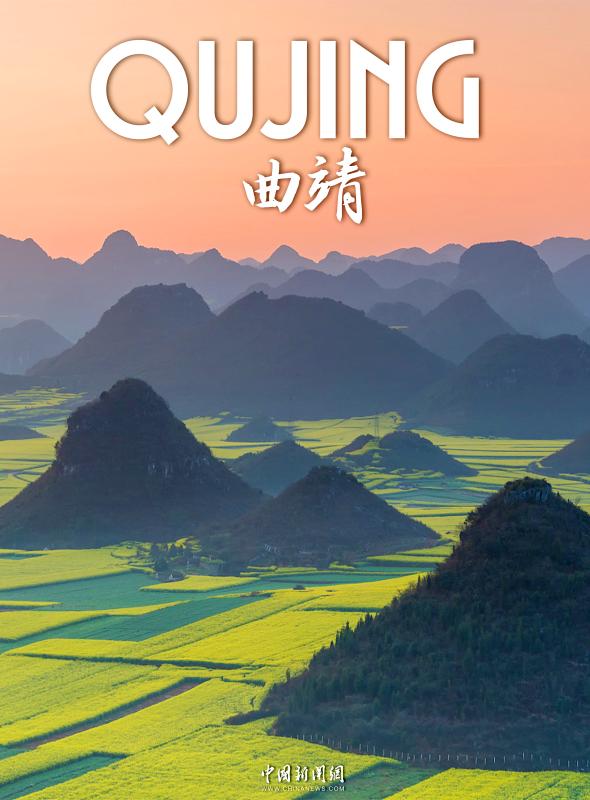
Qujing is a prefecture-level city in southwest China’s Yunnan Province. It is well known for its large expanses of rapeseed fields and for being home to the highest bridge in the world.

Hangzhou, formerly named Lin'an, was once the capital of the Southern Song Dynasty (1127-1279). In the centuries since, the city, with its rich tapestry of breathtaking natural beauty and prosperous Song culture, has firmly established itself as a must-visit destination for travel enthusiasts.
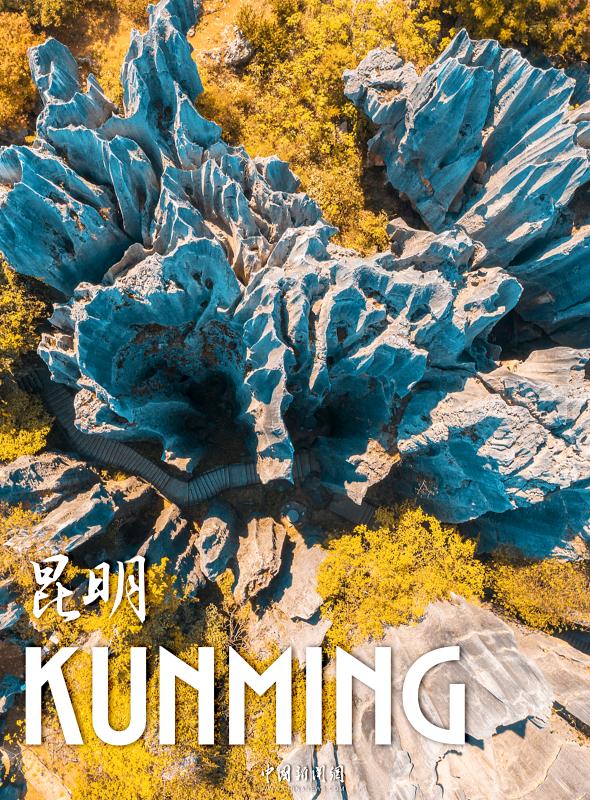
Yunnan Province has always been a land of inspiration for people and nature.

Jinhua in Zhejiang Province was known as Wuzhou in ancient times and the city has long featured in the annals of antiquity and is known as "a land of history and culture".
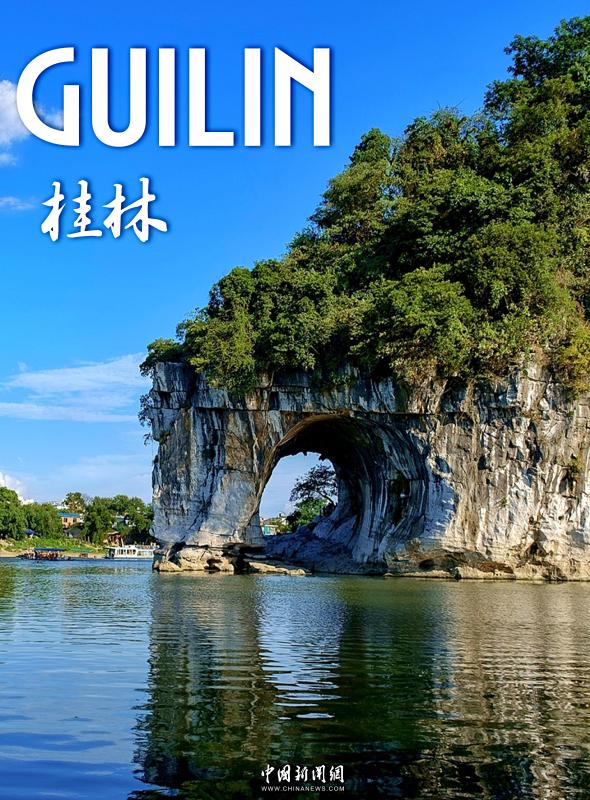
Guilin showcased its advantages as a world-class tourism city and a historical and cultural city in China, highlighting its picturesque landscapes, rich history, cultural essence, and ethnic characteristics.
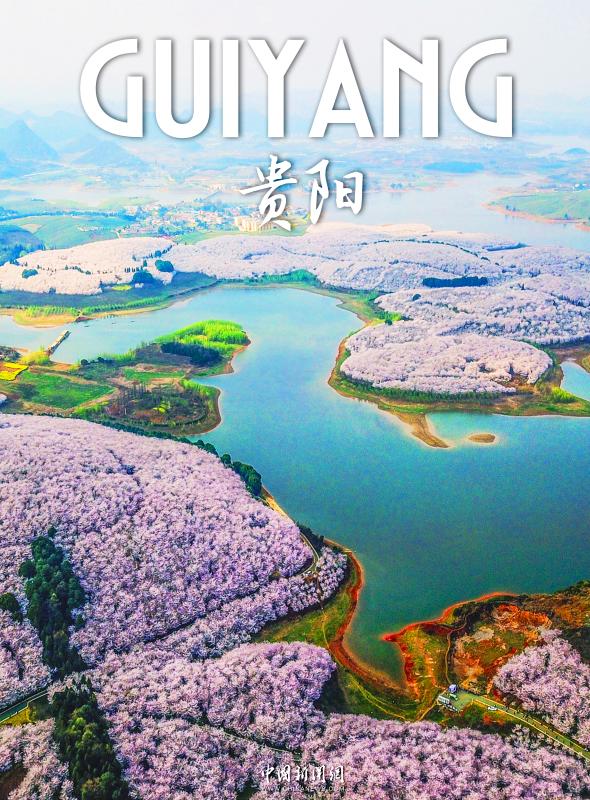
Guiyang, the capital of Guizhou Province, is not just a key transit hub for tourists traveling to Southwest China, but it is also transforming itself into a popular tourist destination in its own right. With an attractive blend of distinctive ethnic culture, breathtaking landscapes and a trendy, modern urban lifestyle, the city offers visitors a unique travel experience.
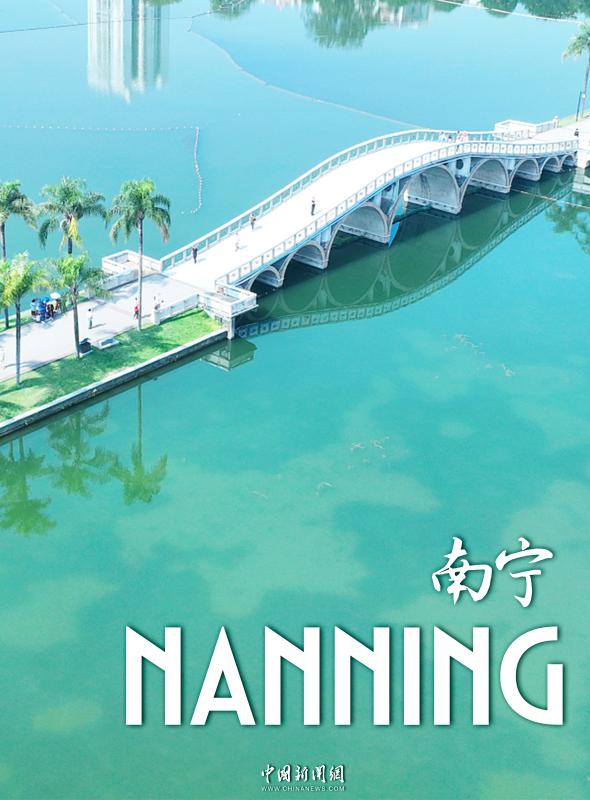
Nanning, the capital of Guangxi Zhuang Autonomous Region, is located in southern Guangxi in the sub-tropical region with an area of 22,100 square kilometers.
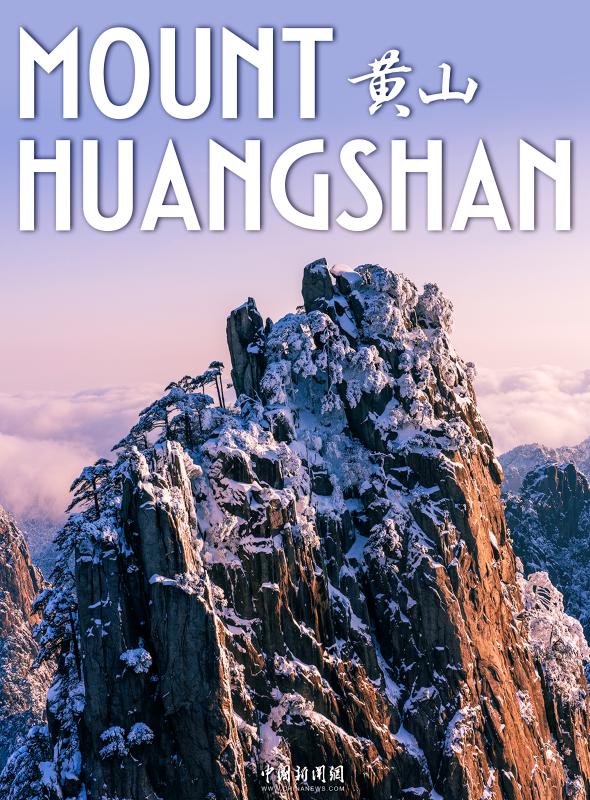
Mount Huangshan, one of China's most famous mountains, is known for its majestic scenic beauty, strange rocks, cloud-shrouded peaks and ancient pines. It was listed as a UNESCO World Heritage Site in 1990.















 京公网安备 11010202009201号