"We have no coin-counting machines, so we have to do it manually. It will take eight hours for one teller to count and pack all these coins," one teller said. She did not outright turn down the transaction, as that is banned by banking regulations, but suggested breaking down the amount by making multiple requests.
A bank manager also said most bank outlets are not manned with automatic coin counters, except large branches at the provincial level.
A central bank report in 2013 said high cost of buying machines or employing human staff in coin counting, compared with the low values of such coins, was a major reason behind banks' reluctance to recycle coins.
"Counting coins is mainly a social responsibility for banks. Occasionally we received a peddler wishing to exchange a bag of coins, and our tellers had to use spare time to count the coins, and called him to get the exchange days later," said Wang Hu, a manager with the Industrial and Commercial Bank of China.
Wang recalled when he served as a teller at a Beijing outlet, an ice cream seller visited every other day to deposit coins. "It was a tiring job, but she brought us a box of ice creams every week, maybe because she also felt sorry for the big work load."
PAPER, METAL AND PLASTIC
Chen said the coin replacement was mainly for convenience. Coins have a longer circulation lifespan, can be easily cleaned and, by replacing paper money, can spare trees.
But that does not mean coins are always better than banknotes, said Liu Lei, an expert on Chinese currency at the Shenyang Financial Museum.
"In the muggy south, banknotes can be easily smudged, while the climate in some coastal regions has erosive effects on coins," Liu said.
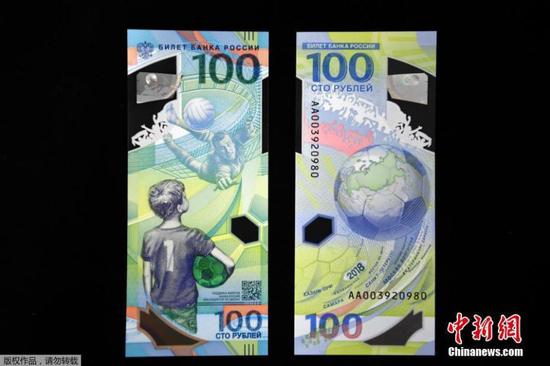
As the debate over metal or paper continues to divide Chinese consumers and bankers, Liu predicts new materials, such as plastic, may replace both in small-denomination transactions.
At least 20 countries, including Australia and Mexico, have introduced banknotes made out of polymer. Tougher than paper notes but lighter than coins, the plastic money can be a future option for China as soon as home-grown technology matures to allow production at low costs, Liu suggested.
Or such small change may disappear all together, as was the case for Canada, which in 2013 began phasing out its penny, after finding production costs had exceeded its monetary value.
"They will eventually be replaced by bank cards and mobile phones," Liu said. Enditem